



Short answer: For families buying in inner Melbourne in 2026, the strongest options are Camberwell, Canterbury and Surrey Hills in the inner east; Hampton, Sandringham and Beaumaris in Bayside; Northcote, Thornbury and Ivanhoe in the inner north; Yarraville, Newport and Williamstown in the inner west; Essendon and Moonee Ponds in the north west; and the Bentleigh, McKinnon and Ormond school-zone belt in the inner south-east. The right one for you comes down to three things: your school priorities, how much land you need, and your budget. This guide walks through each area, what families get, and what you will realistically pay.
Melbourne in 2026 is a fragmented market. Auction clearance rates have been sitting in the low-to-mid 50 per cent range, below the long-run average of around 64 per cent, which gives buyers more room than they have had in years. But that softness is uneven. Tightly held inner-ring family suburbs with good schools and good bones still draw competitive bidding on well-presented homes, while investor-heavy apartments and outer growth corridors are where the real discounts sit. For families, that means opportunity, but only if you know where the competition still is.
What makes an inner Melbourne suburb good for families?
Five things separate a genuinely family-friendly suburb from one that just looks the part.
The first is school zones. A home inside the catchment for a sought-after government secondary school can command a large premium, and that premium is remarkably durable through market cycles. The second is land and the right kind of housing stock: room for kids, a backyard, and a floorplan that works day to day, rather than a one-bedroom apartment in a family’s name. The third is green space and amenity, parks, ovals, pools and libraries within walking distance. The fourth is transport, a genuine commute to work and school without living in the car. And the fifth, the one buyers often forget, is resale and liquidity: family suburbs with all of the above tend to hold value and sell well when your needs change.
Best family suburbs in Melbourne’s inner east
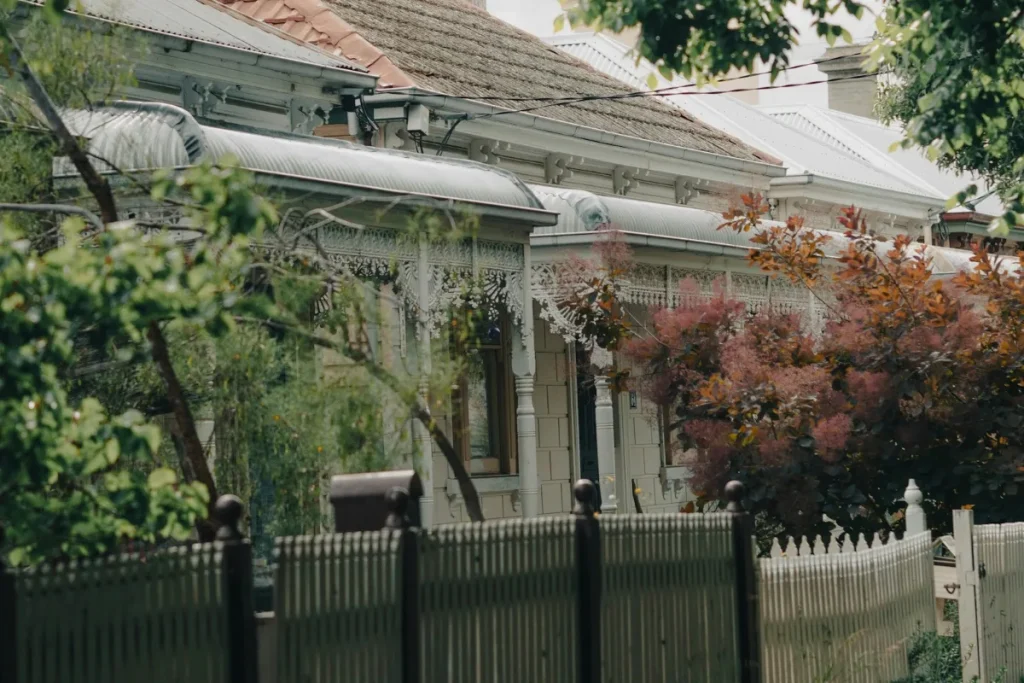
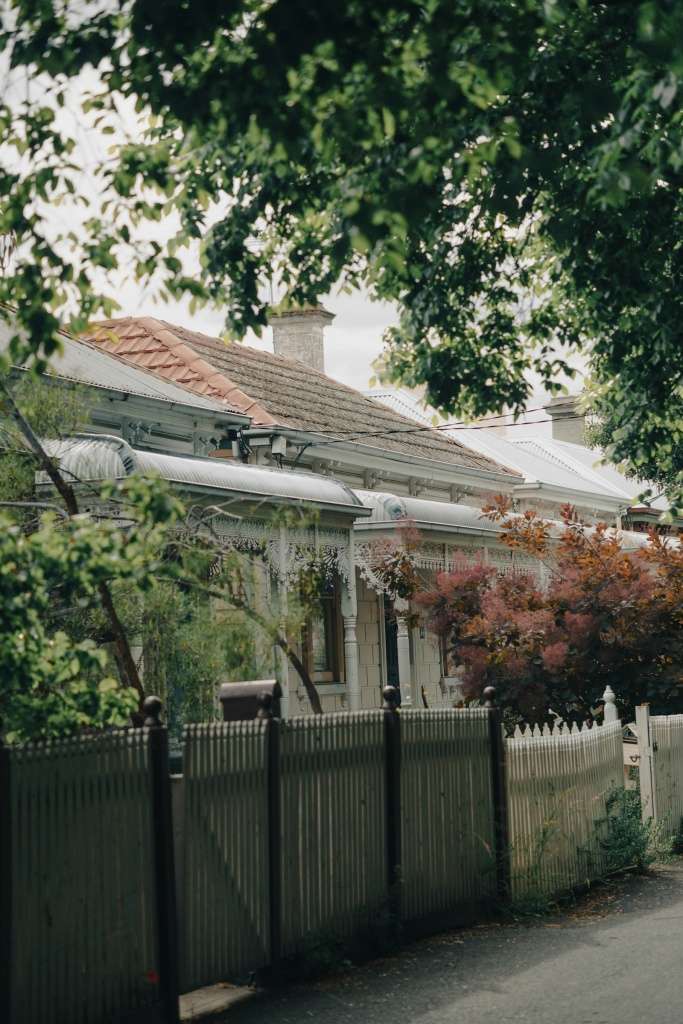
Boroondara is the classic family belt: leafy streets, period homes, and a concentration of respected schools. Camberwell (indicative median house price around $1.68 million in 2026) is the anchor, known for its heritage homes, Anderson Park and access to schools such as Camberwell High and Canterbury Girls’ Secondary College. Canterbury, Surrey Hills, Balwyn and Glen Iris sit alongside it, offering similar amenity at price points that stretch from the high $1 millions well past $2.5 million for prime stock.
This is one of the areas where 2026’s buyer-friendly conditions are least felt. Quality homes here are scarce and the buyer pool is deep, so above-reserve results remain common. It rewards preparation and a clear brief.
Best family suburbs in Bayside
For families who want the beach at the end of the street, Bayside is hard to beat. Hampton (indicative median around $1.66 million) balances family homes, a walkable village and strong local schools, while Sandringham and Beaumaris offer a similar lifestyle with a slightly more relaxed feel. Brighton sits at the premium end, well past $3 million for prime homes. Expect to pay for proximity to the water and for larger blocks.
Best family suburbs in the inner north
The inner north offers the best combination of amenity and relative value in inner Melbourne. Northcote (indicative median around $1.72 million) leads on schools and walkability, with Northcote High and a dense network of parks. Thornbury (around $1.39 million) offers much of the same for meaningfully less, and Ivanhoe, Fairfield and Alphington add larger blocks and river parkland. If your budget stops short of the inner east but your priorities are similar, this is the belt to look at first.
Best family suburbs in the inner west
The inner west is where families chasing value and community tend to land. Yarraville (indicative median around $1.05 million) is genuinely family-oriented, with Yarraville Gardens and Cruickshank Park, well-regarded local primary schools, and a 15-to-20-minute train commute to the city. Williamstown, Newport and Seddon round out the area, with Williamstown carrying a waterfront premium. The inner-west gentrification belt is also tipped for above-average growth over the next five years, which matters for resale.
Best family suburbs in the north west
Essendon and Moonee Ponds anchor the north west for families: established homes, good schools, and a straightforward run to the CBD by train or the Tullamarine corridor. Ascot Vale and Aberfeldie add value options nearby. Prices here typically run in the $1.3 million to $1.6 million range for family houses, a step below the inner east for comparable homes.
Best family suburbs in the inner south-east: the school-zone belt
If a specific government secondary school is non-negotiable, the Glen Eira school-zone belt deserves its own mention. The McKinnon Secondary College zone, which covers parts of McKinnon, Ormond, Bentleigh and Bentleigh East, is one of the most sought-after catchments in the state. In-zone houses have historically sold for well over $150,000 more than comparable homes just outside the boundary, and the in-zone median has sat around $1.7 million. Families here are buying an address as much as a house, so verifying the catchment before you bid is essential.
How much do you need to spend in 2026?
These are indicative house medians for 2026 and move with the market. Treat them as a starting point, not a valuation, and always check current figures before you set a budget.
| Area | Indicative family-home price band (2026) | Best for |
|---|---|---|
| Inner east (Camberwell, Canterbury, Surrey Hills, Balwyn) | $1.6M to $2.5M+ | Schools, period homes, prestige |
| Bayside (Hampton, Sandringham, Beaumaris, Brighton) | $1.6M to $3M+ | Beach lifestyle, larger blocks |
| Inner north (Northcote, Thornbury, Ivanhoe) | $1.2M to $1.8M | Amenity plus relative value |
| Inner west (Yarraville, Newport, Williamstown) | $1.0M to $1.6M | Value, community, growth |
| North west (Essendon, Moonee Ponds, Ascot Vale) | $1.3M to $1.6M | Schools plus CBD access |
| Inner south-east (Bentleigh, McKinnon, Ormond) | $1.5M to $1.8M+ | School zones |
School zones and family buying: what to watch
School catchments are one of the strongest and most durable price drivers in family real estate, but they come with traps. Zones are redrawn from time to time, and a street that is in-zone one year can fall out the next. Agents also describe homes as being “in the zone” loosely. Before you fall for a home on the strength of a school, confirm the exact catchment for the property’s address on the Victorian Government’s findmyschool.vic.gov.au, and factor the premium into your maximum price rather than chasing it in the heat of an auction.
What families should watch out for
Three things catch family buyers most often. The first is overpaying for a zone: the premium is real, but it has a ceiling, and emotion at auction can push you past it. The second is period-home costs, the heritage overlays, the rewiring, restumping and roofing that a beautiful old home can hide. Build these into your numbers before you bid. The third is competition where you least expect it: in 2026’s softer market, it is easy to assume you hold the cards, but the best family homes in tightly held pockets still attract multiple bidders. A credible price guide and a disciplined limit matter as much now as they did at the top of the market.
How a buyer’s advocate helps families buy well
Buying a family home is one of the most emotional purchases you will make, and emotion is exactly what a competitive market uses against you. As buyers’ advocates working across inner Melbourne, we do three things that protect families: we pressure-test the brief so you are not compromising on the things that matter in ten years, we run the due diligence and pricing analysis before you commit, and we negotiate or bid with a clear head and a firm limit. Roughly one in two of the homes we secure are off-market, which matters most in the tightly held family suburbs where the best stock never reaches the portals.
If you are weighing up areas for your next family home, our family home buyers advocate service is built for exactly this decision, and our full-service buyers advocacy covers the search, due diligence and negotiation end to end.
Keep reading
Frequently asked questions
What is the best inner Melbourne suburb for families in 2026?
There is no single best suburb; it depends on your school priorities, how much land you need and your budget. Camberwell and Canterbury lead the inner east, Hampton and Sandringham lead Bayside, Northcote and Thornbury lead the inner north, and the McKinnon school zone leads the inner south-east.
Which inner Melbourne suburbs have the best value for families?
The inner north (Thornbury, and Coburg just beyond it) and the inner west (Yarraville, Newport, Seddon) offer the best combination of family amenity and price, typically from around $1 million to $1.4 million for a family house in 2026.
How much do I need to buy a family home in inner Melbourne?
Family houses in the inner suburbs start around $1 million in the inner west and north, and run to $2.5 million and beyond in the prime inner-east and Bayside pockets. Budgets should be set against current suburb medians, which move through the year.
Are school zones worth paying a premium for?
For many families, yes, because sought-after government school zones hold value strongly and give access to schooling that would otherwise cost far more privately. The key is to confirm the exact catchment for the address and cap the premium you are willing to pay.
Is 2026 a good time to buy a family home in Melbourne?
Conditions are more buyer-friendly than they have been in years, with clearance rates in the low-to-mid 50 per cent range. But the market is fragmented, and the best family homes in tightly held suburbs still sell competitively, so preparation matters more than timing.

About the author
Lou is Co-Founder and Lead Buyers Agent at LP Advisory. He has over 25 years in Melbourne real estate, including running his own agency, auctioneering, sales management and property development, before moving into buyer and vendor advocacy. He was a finalist for REIV Buyers Agent of the Year in 2024 and at the 2026 Australian Buyers Agent Awards.