



Short answer: First home buyers in Victoria in 2026 have four main forms of help. You pay no stamp duty on a first home worth up to $600,000, and a reduced amount between $600,001 and $750,000. If you buy or build a brand new home worth up to $750,000, you may also get the $10,000 First Home Owner Grant. On top of that, two federal schemes can help with the deposit: the First Home Super Saver scheme lets you withdraw up to $50,000 of voluntary super contributions per person, and Help to Buy lets the government co-own up to 40 per cent of your home so you can buy with a smaller deposit. Here is how each one works, and how they fit together.
All figures below are current as at July 2026. Thresholds and rules change, so confirm the detail for your situation with the State Revenue Office, the ATO and Housing Australia before you rely on them. This is general information, not financial or legal advice.
What help is available for first home buyers in Victoria in 2026?
There are four schemes worth knowing, and they come from two different governments. The Victorian Government runs the stamp duty concession and the First Home Owner Grant. The federal government runs the First Home Super Saver scheme and Help to Buy. They target different problems: the stamp duty concession and the grant reduce your upfront costs, while the two federal schemes help you get a deposit together or buy with a smaller one. Many first home buyers qualify for more than one.
Do first home buyers pay stamp duty in Victoria?
For most first home buyers, this is the biggest saving. If your first home is valued at $600,000 or less, you pay no stamp duty at all. On a $600,000 purchase, that is a saving of around $31,000. If the value is between $600,001 and $750,000, you pay a reduced amount on a sliding scale: the closer to $600,000, the larger the concession, and it phases out completely at $750,000.
Two things make this concession particularly useful. It applies to both new and established homes, unlike the grant, and there is no income test. To qualify you must move in within twelve months and live there as your home for at least twelve months, and you must not have owned a home in Australia before. Full detail is on the State Revenue Office website.
What is the First Home Owner Grant and how much is it?
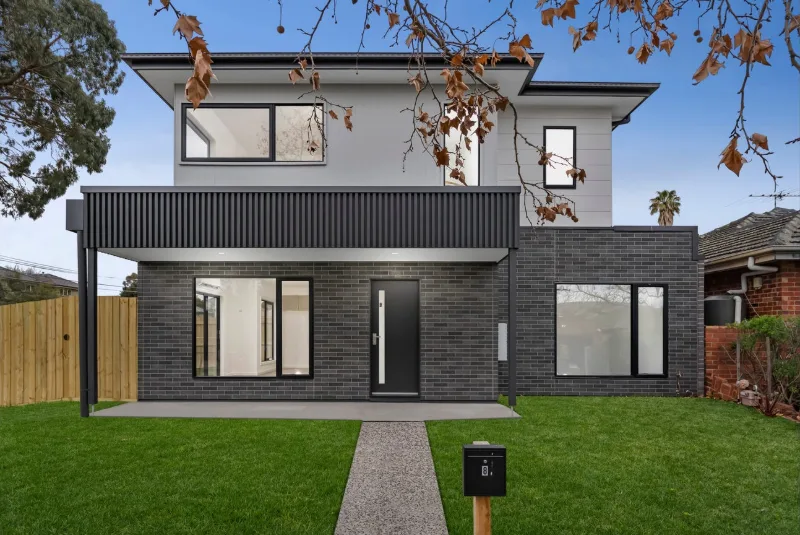
The First Home Owner Grant is a $10,000 payment for eligible first home buyers who buy or build a brand new home valued at $750,000 or less. The key word is new. The home must never have been lived in, so it covers a new build, an off-the-plan apartment or a substantially renovated property, but not an established house.
There is no income test for the grant. You need to be buying your first home, at least one applicant must be an Australian citizen or permanent resident, and you must live in the property as your main home for at least twelve months. Because it only applies to new homes, the grant tends to suit buyers looking at house-and-land packages, townhouses and off-the-plan apartments rather than established homes in the inner suburbs.
What is the First Home Super Saver scheme?
The First Home Super Saver scheme is a federal program that helps you save a deposit faster by using the lower tax rate inside superannuation. You make voluntary contributions to your super, then withdraw them, plus associated earnings, to put towards your first home. You can withdraw up to $50,000 per person, so a couple buying together can access up to $100,000. There are annual limits on how much of your voluntary contributions count, so this is a scheme to start early rather than at the last minute.
What is Help to Buy, and can I use it in Victoria?
Help to Buy is a federal shared equity scheme that launched in December 2025 and expanded from 1 July 2026. The government contributes up to 40 per cent of the price of a new home, or up to 30 per cent for an established home, which means you can buy with a deposit as small as 2 per cent and a smaller loan. In exchange, the government owns that share of your home until you buy it back or sell.
From 1 July 2026, the income limits are $103,000 for a single applicant and $165,000 for joint applicants and single parents. In Victoria, the property price caps are $950,000 in Melbourne and major regional centres, and $650,000 in the rest of the state. Places in the scheme are limited, so it is competitive. It suits buyers who can comfortably service a loan but are held back by the size of the deposit, and who are comfortable with the government holding a stake in their home.
Can you combine these schemes?
In many cases, yes. A common combination is the stamp duty concession together with the First Home Super Saver scheme: you save your deposit through super and pay little or no duty at settlement. The First Home Owner Grant can also apply if you are buying new. Help to Buy has its own income and price limits and interacts with your borrowing, so it needs to be weighed up carefully alongside the others. The right mix depends on whether you are buying new or established, your income, and how much deposit you have. It is worth mapping this out before you start looking, because it changes what you can realistically afford and where.
What first home buyers should watch out for
Three things catch first home buyers most often. The first is the new versus established distinction: the grant and the larger Help to Buy contribution only apply to new homes, while the stamp duty concession applies to both, so the scheme mix changes depending on what you buy. The second is the shared equity trade-off in Help to Buy: a smaller deposit is appealing, but the government owns a share of your home and of its future growth, so run the numbers on what that share could be worth later. The third is the eligibility fine print, the residency requirements, the twelve-month live-in rule, and the price caps, which are exactly the details the State Revenue Office and Housing Australia check.
How a buyer’s advocate helps first home buyers
Getting the grants right is only half the job. The harder part is buying the right first home at the right price in a competitive market, without overpaying because a scheme made a particular property feel affordable. As buyers’ advocates, we help first home buyers work out which schemes they qualify for, factor that into a realistic budget, and then handle the search, due diligence and negotiation so the purchase stacks up beyond the incentives. If you are getting started, our first home buyers agent service is built for exactly this, and our full-service buyers advocacy covers the whole process from search to settlement.
Keep reading
To see where current prices sit, our guides to Reservoir, Preston, Coburg and Footscray list current medians.
Frequently asked questions
Do first home buyers pay stamp duty in Victoria in 2026?
No stamp duty is payable on a first home valued at $600,000 or less. Between $600,001 and $750,000 a reduced amount applies on a sliding scale, phasing out at $750,000. The concession applies to both new and established homes and has no income test.
How much is the First Home Owner Grant in Victoria?
It is a $10,000 payment for eligible buyers of a brand new home valued at $750,000 or less that has never been lived in. It does not apply to established homes and has no income test.
How much can I withdraw under the First Home Super Saver scheme?
Up to $50,000 per person of voluntary super contributions plus associated earnings, so up to $100,000 for a couple buying together, subject to annual contribution limits.
Can I use Help to Buy in Victoria?
Yes. From 1 July 2026 the income limits are $103,000 for singles and $165,000 for couples and single parents, and the Victorian price caps are $950,000 in Melbourne and major regional centres and $650,000 elsewhere. The government contributes up to 40 per cent for a new home or 30 per cent for an established one, and places are limited.
Can I combine first home buyer schemes?
Often yes. Many buyers pair the stamp duty concession with the First Home Super Saver scheme, and the First Home Owner Grant applies if you buy new. Help to Buy has its own limits and affects your borrowing, so it should be assessed alongside the others.

About the author
Lou is Co-Founder and Lead Buyers Agent at LP Advisory. He has over 25 years in Melbourne real estate, including running his own agency, auctioneering, sales management and property development, before moving into buyer and vendor advocacy. He was a finalist for REIV Buyers Agent of the Year in 2024 and at the 2026 Australian Buyers Agent Awards.