



Short answer: For a similar amount of money, Bayside buys you the beach and a bigger block with a longer commute. The inner east buys you the best school zones and the biggest houses, at the highest prices. The inner north buys you proximity, walkability and a faster market, on a smaller block with older housing stock. The three are not really competing on price, they are competing on what you want your life to look like. This is a comparison of what each actually gives you, with current numbers.
We are asked to help people choose between these three areas more often than almost anything else. Here is how we would frame it.
The numbers first
We have used one representative suburb from each area: Hampton for Bayside, Camberwell for the inner east, and Northcote for the inner north. Medians are Domain suburb data for the twelve months to July 2026.
| Bayside (Hampton) | Inner east (Camberwell) | Inner north (Northcote) | |
|---|---|---|---|
| Distance from CBD | About 14 km | About 10 km | About 6 km |
| 3-bed house median | $1,745,000 | $1,933,000 | $1,650,000 |
| 4-bed house median | $2,467,500 | $2,378,000 | $2,375,000 |
| 2-bed unit median | $880,000 | $780,000 | $685,000 |
| Days on market (3-bed house) | 38 | 38 | 34 |
| Owner-occupied | 75% | 73% | 60% |
The four-bedroom medians are the surprise for most people: within about $100,000 of each other across all three areas. At the family-house end, you are not choosing on price. You are choosing on what the money buys you.
Bayside: space, beach, and a longer trip to work
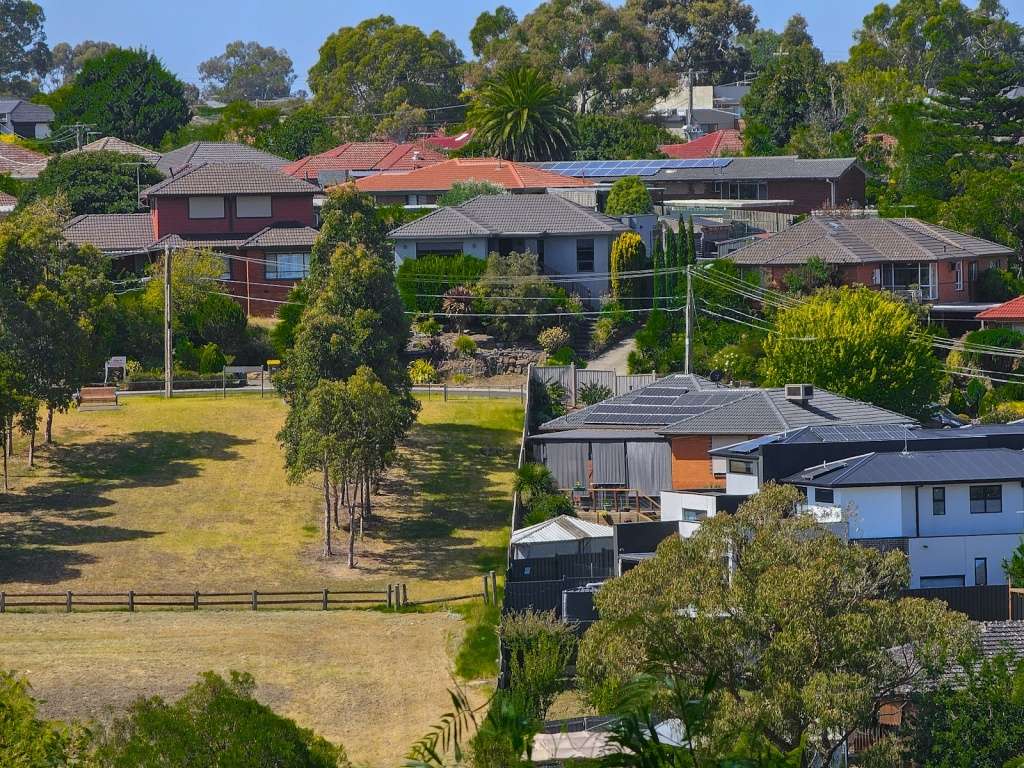
Bayside is the trade you make when lifestyle wins. You get the beach, larger blocks, a genuinely settled community and, in suburbs like Hampton, a high street that functions as a village. Three quarters of homes are owner-occupied and the median age skews older, which tells you what kind of neighbourhood it is: stable, family-heavy, low churn.
The cost is the commute. Fourteen kilometres and a train line that is fine but not fast means the city is a genuine journey, not a walk. If both of you work in the CBD five days a week, be honest about how that feels in year three, not year one.
It is also the market where the price gap between an average street and a premium pocket is unforgiving. Proximity to the beach, the shops and the station does a lot of work in Bayside, and it will do the same work when you sell. See Hampton, Brighton and Sandringham for the suburb detail.
Inner east: schools, prestige, and the highest entry price
The inner east is where people go for school zones, and they are not wrong to. Boroondara’s government and private school options are the reason a large share of buyers are there at all, and that demand is what holds prices up through soft markets.
It is the most expensive of the three at the three-bedroom level, with a Camberwell median close to $1.93 million. The housing stock is grand, the streets are wide, and the land is generous by inner-Melbourne standards.
The honest counterpoint for 2026: the inner east has been the softest part of Melbourne at auction. In the week to 11 July 2026 it recorded the city’s lowest regional clearance rate at 47.8 per cent. For a buyer, that is not a warning, it is an opportunity, and it is exactly the market where a well-run negotiation earns its fee. See Camberwell, Kew and Hawthorn.
Inner north: proximity, walkability, and a faster market
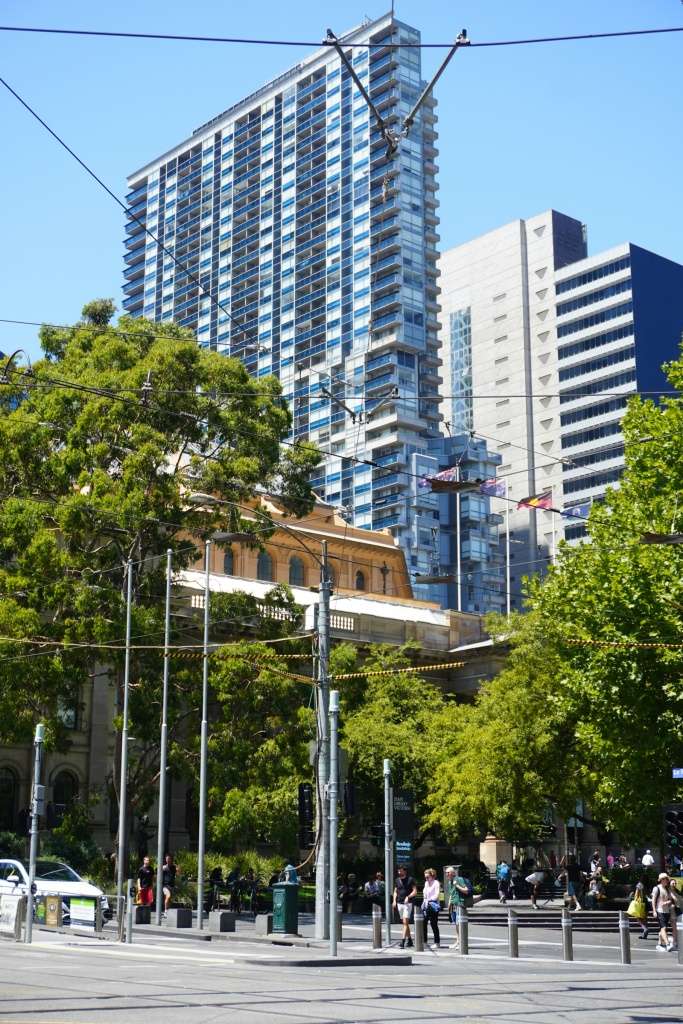
The inner north is the closest to the city, the most walkable, and by some distance the most liquid of the three. Northcote homes have been selling in about 29 to 34 days. That cuts both ways: it is a great sign for resale, and it means you will be competing on the day.
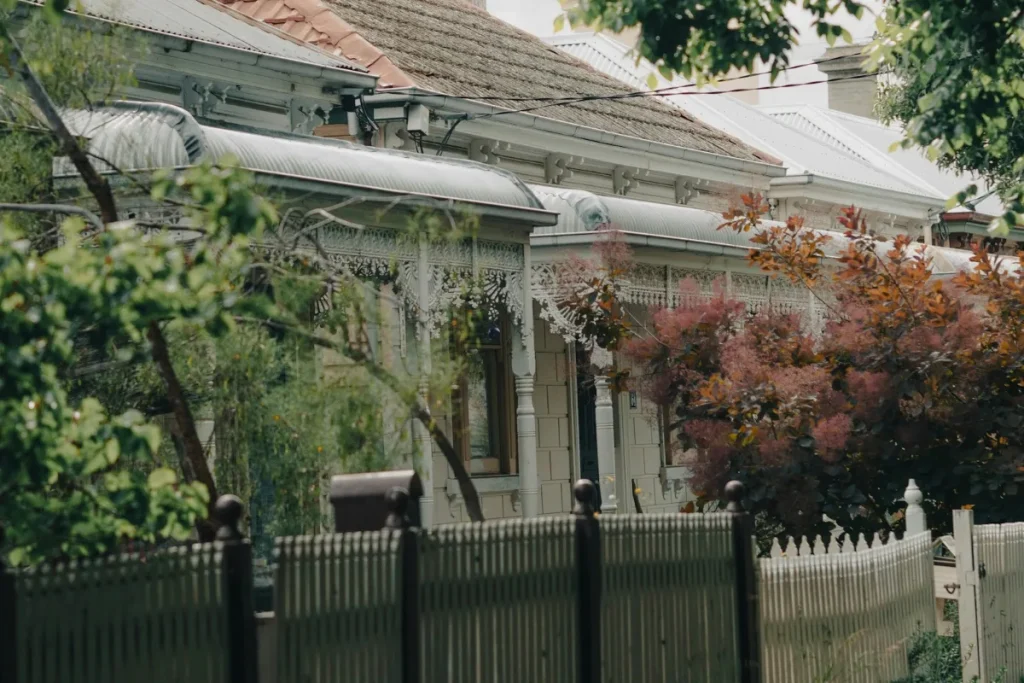
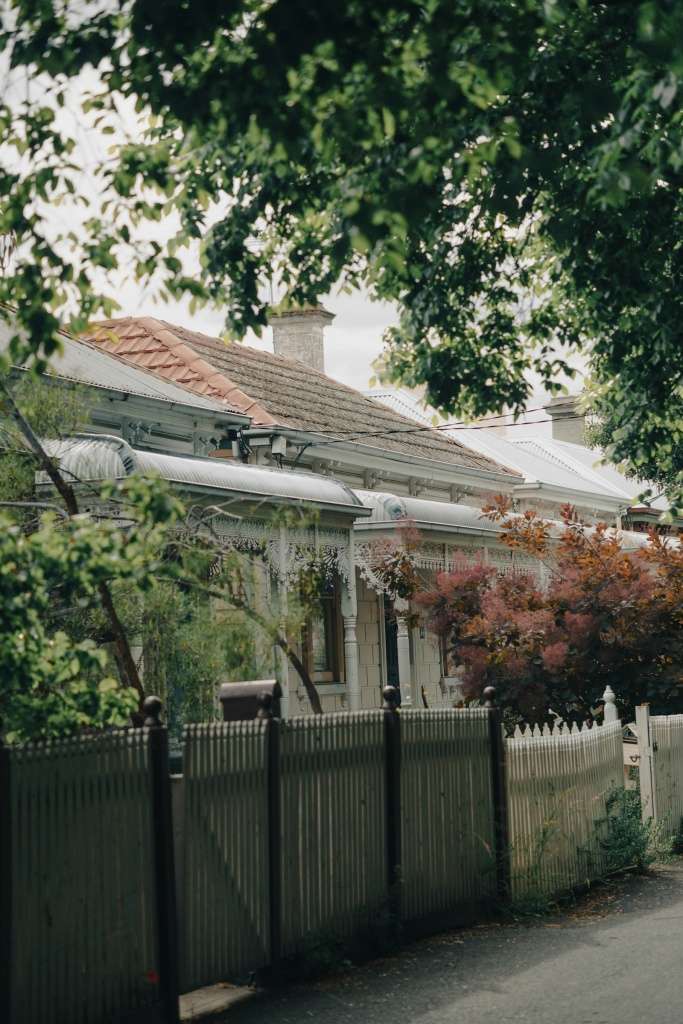
You get less land and older, smaller housing stock, often single-fronted Victorian and Edwardian homes on tight blocks. You also get the best value at the entry level of the three, with two-bedroom units around $685,000 and three-bedroom houses under $1.7 million.
Sixty per cent owner-occupied means more renters and more churn than Bayside or the inner east. Some people love the energy that comes with that. Some find it wearing after a decade. Be honest about which you are. See Northcote, Thornbury and Brunswick.
So how do you actually choose?
Answer these four questions honestly, before you look at another listing.
How often do you really need to be in the city? This single answer eliminates one of the three areas for most people.
Do school zones decide your next ten years? If yes, the inner east has a structural advantage and you should be shopping there, inside the zone, not near it. Zones are hard boundaries and the price difference across a street can be six figures.
Do you want land or do you want to walk to things? You largely cannot have both at this budget. Bayside and the inner east give you land. The inner north gives you the walk.
What are you actually buying? This is the one that matters most for resale, and it is the same answer in all three areas. A period house on its own land holds value. An apartment in a high-supply pocket does not. The area matters far less than the asset.
What we would tell a client
Pick the area on how you want to live, then let us pick the property on the numbers. Those are two different jobs and people routinely mix them up, choosing the suburb with their heart and the house with their heart as well.
In 2026 specifically, the inner east is where the negotiating leverage is, because it is the softest of the three at auction right now. The inner north is where you will need to be sharpest, because it is still moving fast. Bayside sits between the two.
If you are buying a family home, our family home service is built for this decision, and we set out the suburb-level detail in our guide to the best inner Melbourne suburbs for families. If you are downsizing into one of these areas, the downsizer service covers selling and buying together. You can also browse every suburb we cover on our areas we serve page.
Keep reading
Frequently asked questions
Is Bayside, the inner north or the inner east better to live in?
They suit different lives. Bayside offers the beach, larger blocks and a settled family and downsizer population, but the longest commute. The inner east has the best-regarded school zones, the biggest houses and the highest prices. The inner north is closest to the city, the most walkable and the fastest-moving market, with smaller land and older housing stock. Price is similar for houses in each; what differs is what you get for it.
Which is cheaper, the inner north or the inner east?
The inner north is generally cheaper for houses. Northcote’s three-bedroom house median is about $1.65 million against roughly $1.93 million in Camberwell in the inner east, over the twelve months to July 2026. Units are cheaper again in the north, with a two-bedroom unit median near $685,000 in Northcote.
Which area is best for families?
The inner east if school zones are the priority and the budget stretches past $1.9 million for a three-bedroom house. Bayside if outdoor space and the beach matter more, at a similar price point. The inner north works for families who value walkability and proximity to the city and can live with a smaller block.
Which area holds its value best?
All three are established, land-constrained inner areas with strong long-term records. The greater risk within each is not the area, it is the property type. Apartments in high-supply pockets have the weakest resale in every one of these markets, while a period house on its own land has the strongest.
Which area is moving fastest right now?
The inner north. Homes in Northcote have been selling in around 29 to 34 days against 38 to 56 days in Hampton, over the twelve months to July 2026. The inner east has been the softest at auction in mid-2026, recording the lowest regional clearance rate in Melbourne in the week to 11 July 2026 at 47.8 per cent.

About the author
Lou is Co-Founder and Lead Buyers Agent at LP Advisory. He has over 25 years in Melbourne real estate, including running his own agency, auctioneering, sales management and property development, before moving into buyer and vendor advocacy. He was a finalist for REIV Buyers Agent of the Year in 2024 and at the 2026 Australian Buyers Agent Awards.