



Negative gearing is one of the most talked about parts of property investing in Australia, and it is about to change. For Melbourne investors, that raises an obvious question. With the tax rules shifting, should you now buy a brand new property to keep the tax benefits, or does an established home still offer the better long term investment?
It is a fair question. It is also the wrong place to start.
That is why, at LP Advisory, we do not begin by asking clients whether they want a new or an established property. We start by asking what they are actually trying to achieve. Once you are clear on that, the right type of property usually becomes far easier to see.
So this guide walks through what the changes mean, the mistake we see investors about to make, and a simple way to choose the right asset for your goals, with worked examples across three Melbourne budgets. When it comes to a new vs established investment property, the answer is rarely one size fits all.
In short: The changes make new builds more tax effective than established homes bought after 12 May 2026. But tax benefits are not what build wealth. Capital growth is. For most Melbourne investors focused on long term wealth, an established, land backed property in a tightly held suburb still tends to outperform a new build over time, even after the tax difference. The right choice depends on your goal, not the size of the deduction.
First, what has actually changed
First, the facts. In the May 2026 Federal Budget, the Government announced changes to negative gearing. Under the legislation, investors who buy an established residential property after the Budget cut-off, 7:30pm AEST on 12 May 2026, will no longer be able to use rental losses to reduce the tax on their salary and other income. The change is set to apply from 1 July 2027.
Three points matter for buyers:
- New builds remain eligible for negative gearing.
- Established properties already held before the cut-off are grandfathered, so they continue under the current rules until they are sold.
- The reforms are still moving through Parliament, and the transitional rules may be refined, so always confirm your own position with a licensed adviser.
It is worth being precise on one point, because a lot of coverage gets it wrong. For affected established properties, the rental losses are not lost. They can still be offset against rental income, or carried forward against future capital gains when you sell. What changes is that those losses can no longer be used to reduce the tax on your salary and other income. That is a meaningful shift, but it is narrower than “negative gearing is gone.”
So, does that mean everyone should now rush out and buy brand new property for the tax benefits?
Not necessarily. In fact, that is exactly the trap.
The mistake many investors are about to make
Of course, when a tax benefit is taken away from one option and left in place for another, human nature is to chase the one with the benefit. Plenty of investors will now gravitate to new builds purely because negative gearing is still available there.
But tax benefits are not the same thing as wealth.
The tax deduction is guaranteed today. The capital growth is not. But here is the part most marketing skips: the tax deduction does not make you wealthy. Capital growth does.
This is also why developers love selling new property. A house and land package or an off the plan apartment is far easier to sell when the pitch is “look how much tax you will save,” rather than “let us compare how much wealth this property is likely to create over the next 15 years.” One conversation closes quickly. The other requires honesty about location, land and long term demand.
In other words, the question should never be “how much tax will I save?” It should be “which property is likely to leave me wealthier in 10 or 20 years?”
Start with the real question: what are you trying to achieve?
There is no single right answer for every investor, because investors are not all chasing the same thing. Before comparing new against established, it helps to work out which kind of investor you are.
1. The Wealth Builder
Your goal is to maximise long term net worth. You care about capital growth, land value, scarcity, owner occupier demand and holding for 15 to 30 years. For you, tax benefits are secondary. If giving up a $10,000 annual deduction means creating an extra few hundred thousand dollars in equity over the decade, that is usually a trade worth making.
2. The Cash Flow Investor
Your goal is to reduce the ongoing cost of holding the property. You may be on a high income, want to minimise out of pocket expenses, and be comfortable trading some long term growth for stronger cash flow today. A newer property with higher depreciation and better tax outcomes may genuinely suit you.
3. The Balanced Investor
This is probably most Australians. You want solid capital growth, decent rental returns, some tax benefits, lower maintenance and long term security. For you the answer is rarely “new” or “old.” It is buying the best asset available within your budget.
4. The Lifestyle Investor
You have a second motive. Perhaps you will rent the property for ten years and move into it later, or it will eventually become your retirement home. That changes the decision completely, and sometimes lifestyle considerations outweigh pure investment returns.
So here is the mistake we see again and again. Investors start with the tax benefit. They should start with the objective. Once you know why you are investing, the type of property often becomes much clearer.
The comparison that changes how people think
For example, let us put two investors side by side. Both spend the same amount. The numbers below are illustrative, using simple, conservative growth assumptions to show the principle, not a forecast of any specific property.
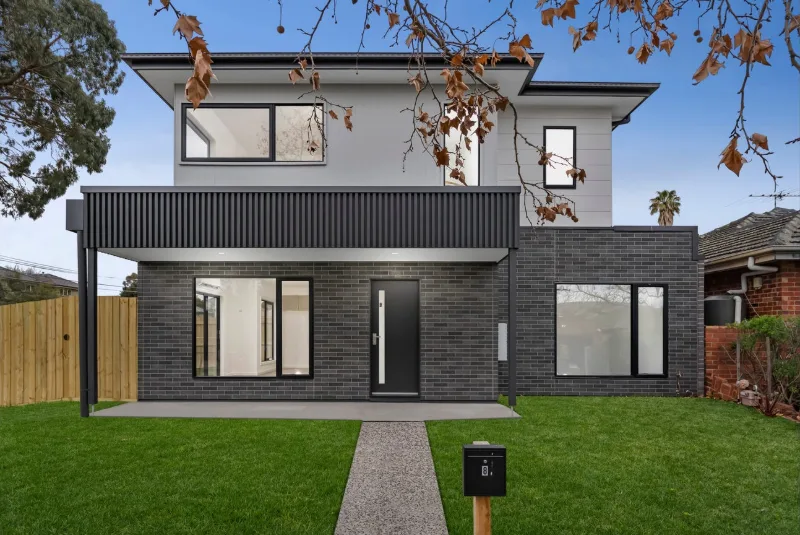
Investor A buys a brand new townhouse for $800,000. It comes with strong depreciation, full negative gearing benefits and better after tax cash flow. We will assume it grows at 3% per year, which is common where new supply keeps arriving.
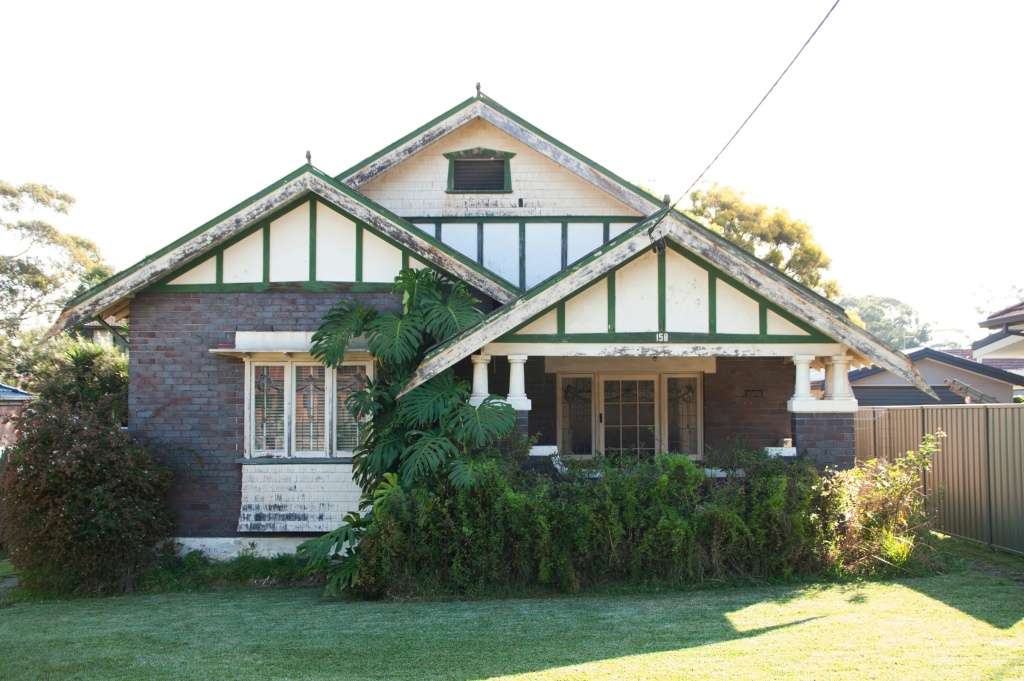
Investor B buys a 1970s brick house on a good block in an established suburb, also for $800,000. There is very little depreciation and almost no tax benefit. But land is the larger share of the value, and we will assume it grows at 6% per year.
| After 10 years | Investor A (new, 3%) | Investor B (established, 6%) |
|---|---|---|
| Estimated value | about $1.08 million | about $1.43 million |
| Capital growth | about $275,000 | about $635,000 |
| Tax benefits over 10 years | about $90,000 | about $15,000 |
| Total benefit | about $365,000 | about $650,000 |
So now ask the real question. Which investor actually became wealthier?
In the end, Investor B finished roughly $285,000 ahead, despite receiving far less back at tax time. The tax refund felt great every year. It simply did not move the needle the way the land did.
That is the lightbulb moment. Tax deductions are temporary. Land appreciates. Buildings depreciate. People chase depreciation. The most successful long term investors chase appreciating land.
Or, put more simply: the tax deduction is the icing. The property is the cake. Too many investors spend months comparing the icing and forget to look at the cake they are buying.
New build versus established, side by side
To be clear, neither option is “good” or “bad.” They are different investments with different drivers. It helps to see the trade offs in one place.
| New build | Established property | |
|---|---|---|
| Negative gearing | Still available | Limited under the new rules for qualifying post Budget purchases |
| Depreciation | Higher | Lower |
| Cash flow | Often stronger initially | Often lower initially |
| Land component | Usually smaller | Often larger |
| Competing supply | More stock nearby | Greater scarcity |
| Rental appeal | Often strong early on | Owner occupier demand often stronger |
| Tax efficiency | Higher | Lower |
| Capital growth potential | Often lower | Often stronger |
The headline takeaway is this. Most people think they are making a property decision. They are actually making an asset selection decision.
Property is not one asset class. A new apartment in a growth corridor, a 1960s villa unit in a tightly held suburb, a Victorian terrace in the inner ring and a house and land package on the fringe are completely different investments. They behave differently, they grow differently, and they suit different investors.
Your budget changes the right answer
The new versus established question also depends heavily on what you can spend, because different price points open up different opportunities. The figures below are illustrative, using the same simple growth assumptions to compare like with like.
Around $650,000
At this level, we would generally steer clear of high rise apartments where supply is heavy. Better options include houses in outer ring Melbourne suburbs with genuine owner occupier demand, or boutique older apartments in blue chip suburbs. Growth at this budget comes from scarcity, not from chasing the cheapest stock on the market.
| After 10 years | New townhouse (3%) | Established house (6%) |
|---|---|---|
| Capital growth | about $225,000 | about $515,000 |
| Tax benefits over 10 years | about $60,000 | about $12,000 |
| Total benefit | about $285,000 | about $525,000 |
Around $900,000
This is often the sweet spot. You can buy older houses, townhouses with real land, villa units and boutique apartments. There are far more options for land backed growth.
| After 10 years | New townhouse (3%) | Established villa or townhouse (6%) |
|---|---|---|
| Capital growth | about $310,000 | about $710,000 |
| Tax benefits over 10 years | about $85,000 | about $15,000 |
| Total benefit | about $395,000 | about $725,000 |
Around $1.3 million
Meanwhile, you are now competing for established family homes, and this is where Melbourne has historically created the greatest long term wealth. Schools, lifestyle, land and owner occupier demand all come together.
| After 10 years | New build (3%) | Established family home (6.5%) |
|---|---|---|
| Capital growth | about $445,000 | about $1.14 million |
| Tax benefits over 10 years | about $110,000 | about $20,000 |
| Total benefit | about $555,000 | about $1.16 million |
Across every budget, the pattern is the same. The new build wins on tax. The established property tends to win on wealth. And here is the important part: if the established property still comes out ahead even after losing its negative gearing advantage, that tells you just how powerful capital growth really is.
When does a new build actually make sense?
To be clear, this is not an argument that new property is bad. There are clear situations where it is the right call:
- High income earners who want to genuinely reduce taxable income now.
- Investors planning to hold for only 5 to 7 years, where depreciation matters more.
- Locations with real, lasting land scarcity despite new construction nearby.
- Dual occupancy or specialist stock, such as NDIS housing, with exceptional yields.
- Investors whose priority is cash flow today rather than maximum long term growth.
If your objective points to any of these, a quality new build can be a sensible, deliberate choice. The key word is deliberate. You are choosing it for the right reason, not because a depreciation schedule was waved in front of you.
A simple test before you buy
Finally, here is a question worth sitting with. If someone offered you a cheque for $9,000 every year for ten years, or a property worth $400,000 more at the end of the decade, which would you take?
Almost everyone instinctively says the property. Yet many investors still buy the first option, because the tax saving feels tangible and immediate while the growth feels distant. The reforms do not change that psychology. They just make it more important to be clear eyed about it.
What the changes really mean for investors
So the reforms have made new property more tax effective relative to established property. They have not changed the fundamentals of successful property investing.
Tax benefits can certainly improve cash flow along the way. They rarely make up for buying an asset in a location with weaker long term growth fundamentals. Long term wealth is still driven by the same things it always has been: the right asset, in the right location, with strong owner occupier demand, limited supply and sustainable capital growth.
Above all, negative gearing should support your investment strategy. It should not become the investment strategy.
The LP Advisory view
We are not tax advisers, and we do not pretend to be. Our job is not to tell you how to minimise tax. It is to help you choose the right investment strategy for your goals, then secure the right asset to deliver it.
That is why we start every investor conversation with a single question. What are you trying to achieve? Whether your goal is long term wealth creation, stronger cash flow or a balance of both, the right investment is the one that aligns with your strategy, not simply the one with the biggest tax deduction. That focus on strategy over tax is exactly where a buyer’s advocate earns their keep, and it is why clients work with us rather than making decisions off a depreciation schedule alone.
If you are weighing up a new or established investment property and want clarity on which path fits your goals, get in touch with LP Advisory. You can also read more about how the negative gearing changes affect your strategy and the way we help property investors buy land backed assets with long term growth potential.
For current medians, rents and yields by suburb, see our guides to Footscray, Preston, Reservoir and Coburg.
Frequently asked questions
Is negative gearing being abolished?
No. The announced changes limit negative gearing on established residential properties purchased after the May 2026 Budget cut-off, applying from 1 July 2027. New builds remain eligible, and properties already held before the cut-off are grandfathered under the existing rules. Always confirm your position with a licensed adviser.
Should I buy a new or established investment property?
It depends on your goal. If your priority is long term capital growth, an established, land backed property in a tightly held suburb has historically performed strongly. If your priority is cash flow and tax efficiency over a shorter hold, a new build may suit. Start with your objective, then choose the asset.
Does negative gearing still apply to new builds?
Under the announced reforms, yes. New builds remain eligible for negative gearing, which is part of why investors need to be careful not to let the tax benefit alone drive the decision.
What is grandfathering?
Grandfathering means established investment properties owned before the Budget cut-off continue under the current negative gearing rules. The new limits apply to qualifying established purchases made after that date.
Do tax benefits create wealth?
Rarely on their own. Tax deductions improve cash flow while you hold a property, but long term wealth is driven mainly by capital growth, which comes from land value, location, scarcity and owner occupier demand.
This article is general information only and does not constitute financial, tax, lending or legal advice. The negative gearing changes described are subject to the legislation’s passage and transitional rules and may change. All figures and growth rates are illustrative, used only to show the principle, and are not a forecast or guarantee of any property’s performance. Past growth is not a reliable indicator of future returns. Always seek advice from a licensed financial adviser, accountant and buyer’s advocate before acting.

About the author
Lou is Co-Founder and Lead Buyers Agent at LP Advisory. He has over 25 years in Melbourne real estate, including running his own agency, auctioneering, sales management and property development, before moving into buyer and vendor advocacy. He was a finalist for REIV Buyers Agent of the Year in 2024 and at the 2026 Australian Buyers Agent Awards.