



Most Melbourne first home buyers now need far less than the traditional 20 per cent. Under the First Home Guarantee, an eligible first home buyer can purchase with a 5 per cent deposit and pay no lenders mortgage insurance, on homes worth up to $950,000. On a $760,000 home that is roughly $38,000 rather than the $152,000 a 20 per cent deposit would require. The deposit, though, is only part of the cash you need. Here is how it really works in 2026, scheme by scheme, and the costs most buyers forget.
How much deposit do you actually need in Melbourne?
There is no single number, because it depends on which path you take. In practice there are three:
- 20 per cent is the traditional benchmark. It avoids lenders mortgage insurance entirely and gives you the widest choice of lenders and rates.
- 5 per cent is achievable through the First Home Guarantee, with no LMI payable, which is the route most eligible first home buyers now take.
- As little as 2 per cent may be possible through the Help to Buy shared-equity scheme, where the government takes an ownership share to lower your entry cost.
For a $760,000 home, that is the difference between saving $152,000 and saving around $38,000. For most first home buyers, the 5 per cent path is what turns being years away into buying this year.
Why the 20 per cent deposit is no longer the only option
The 20 per cent figure exists for one reason: below it, lenders normally charge lenders mortgage insurance, a one-off premium that protects the lender, not you, and can run to tens of thousands of dollars on a Melbourne purchase. Avoiding LMI is why 20 per cent has always been the goal. The government guarantee schemes change that maths, because they remove the LMI cost while letting you buy with a much smaller deposit.
The First Home Guarantee: buy with 5 per cent and skip LMI
This is the big one for Melbourne first home buyers. Since 1 October 2025, the First Home Guarantee lets eligible buyers purchase with a 5 per cent deposit and pay no LMI, because the government guarantees the gap between your deposit and 20 per cent. As of 2026 the scheme has no income caps and no limit on places, and the Melbourne and regional-centre price cap is $950,000. To qualify you generally need to be an Australian citizen aged 18 or over, buying your first home, and intending to live in it. In short, if you can save 5 per cent and service the loan, the old LMI penalty no longer stands in your way.
Help to Buy: a smaller deposit through shared equity
Help to Buy is a separate federal scheme that lets you buy with a deposit as low as 2 per cent, with the government taking an equity share in the property to reduce what you need to borrow. It comes with its own income and price caps and, importantly, means you do not own the home outright, since the government holds a share until you buy it out. It suits some buyers and not others. Because the caps and terms are updated periodically, check the current settings before counting on it, and read our full breakdown in our guide to Victorian first home buyer grants and concessions.
Do not forget the costs beyond the deposit
This is where plenty of first home buyers get caught. The deposit is not the only cash you need at settlement. The big one in Victoria is stamp duty. First home buyers pay no duty on a home up to $600,000, a reduced amount between $600,000 and $750,000, and full duty above $750,000. That last threshold matters in Melbourne, because a home in the high $700,000s tips you over the cliff, and full duty at that level runs to roughly $40,000. On top of duty, budget for conveyancing, building and pest inspections, loan and government fees, moving costs, and a cash buffer after settlement. The real number you need is your deposit plus these costs, not the deposit alone.
So what is the real barrier?
Here is the honest picture for Melbourne in 2026. The 20 per cent deposit is no longer the wall it used to be, because the First Home Guarantee lets serious savers in at 5 per cent with no LMI. For a lot of buyers the tighter constraint is now two things: whether your income services the loan at current rates, and the jump in stamp duty once you buy above $750,000. If your budget sits in that band, it is worth understanding exactly where the concession ends before you fall in love with a listing. Our guide to the income you need to buy in inner Melbourne walks through the serviceability side.
To see what a deposit means at local prices, our guides to Reservoir, Preston, Footscray and West Footscray list current medians.
FAQs
How much deposit do I need to buy a house in Melbourne?
Traditionally 20 per cent to avoid lenders mortgage insurance, but eligible first home buyers can buy with a 5 per cent deposit and no LMI through the First Home Guarantee, on homes up to $950,000. On a $760,000 home, that is about $38,000 rather than $152,000.
Can I buy with a 5 per cent deposit in Melbourne?
Yes, if you are eligible for the First Home Guarantee. Since 1 October 2025 it has had no income caps and no limit on places, with a $950,000 price cap for Melbourne, and no LMI is charged.
Do first home buyers pay stamp duty in Victoria?
Not on homes up to $600,000, which are fully exempt. Between $600,000 and $750,000 a reduced concession applies, and above $750,000 full stamp duty is payable.
What is the smallest deposit a first home buyer can use?
Potentially as little as 2 per cent through the Help to Buy shared-equity scheme, though that means the government holds an ownership share and its own income and price caps apply. For most buyers the 5 per cent First Home Guarantee is the more common route.
This is general information, current July 2026, not credit or financial advice. LP Advisory are buyer’s advocates, not credit advisers or mortgage brokers. Confirm your eligibility and the current figures with a licensed mortgage broker and the Victorian State Revenue Office before making decisions.
Keep reading
- Victorian first home buyer grants and stamp duty concessions in 2026
- Best inner Melbourne suburbs for first home buyers under $850k
- How much do you need to earn to buy a home in inner Melbourne?

About the author
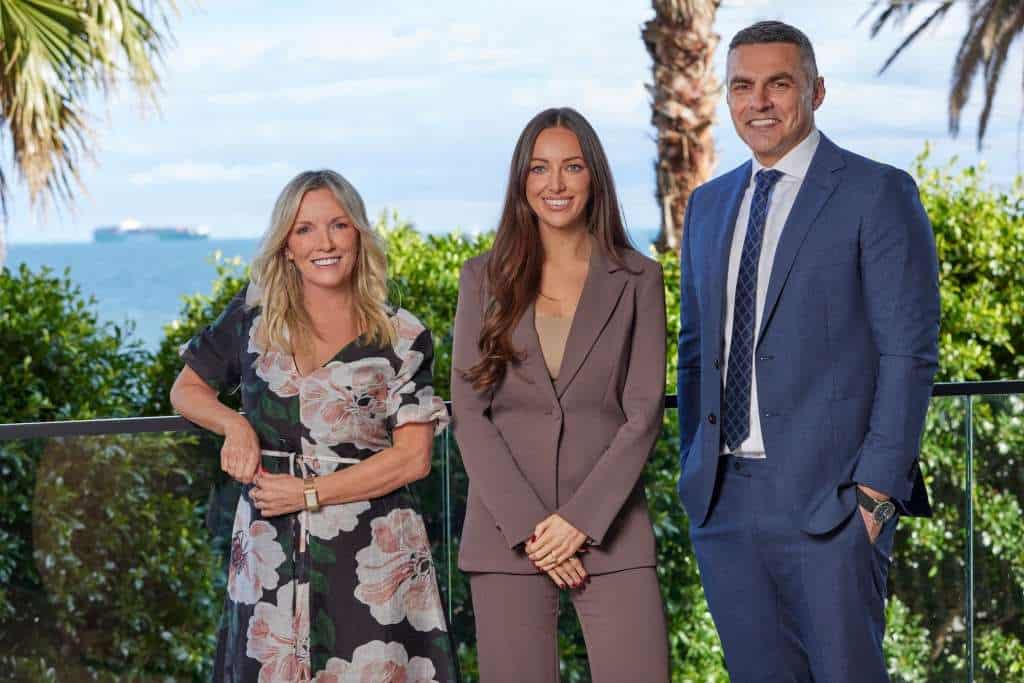
Lou is Co-Founder and Lead Buyers Agent at LP Advisory. He has over 25 years in Melbourne real estate, including running his own agency, auctioneering, sales management and property development, before moving into buyer and vendor advocacy. He was a finalist for REIV Buyers Agent of the Year in 2024 and at the 2026 Australian Buyers Agent Awards.