



An AI or online property valuation can give you a quick ballpark, but it can be well off for any specific home, because it works from averages and cannot see condition, renovations, aspect or street appeal. Before you trust one, there are a few questions worth asking: what data is it built on, how recent is it, does it account for this property’s specifics, and what is its margin of error. Here is how to read an automated valuation sensibly, and where they go wrong.
What an AI property valuation actually is
Most free online estimates are automated valuation models, or AVMs. An algorithm takes recent comparable sales and property data and produces an estimated value, usually with a confidence range around it, and it does this without anyone ever seeing the home. That makes AVMs fast and cheap, and genuinely useful for a rough sense of a market. It also makes them blind to everything that is specific about a particular property.
The questions to ask before you trust one
- What data is it based on, and how recent? Stale or thin data produces confident but outdated numbers.
- Does it actually see this property? An AVM does not know about a renovation, poor condition, a bad floorplan, aspect or a busy road. Those can move real value substantially.
- What is the confidence range? A good AVM quotes an error margin. A wide range is the model telling you it is unsure, so read it.
- How many genuine comparable sales sit behind it? In tightly held or unusual streets there may be too few real comparables for the estimate to mean much.
- Does it capture off-market and private sales? Plenty of sales never hit the portals, so the model may be missing part of the picture.
Where AI valuations go most wrong
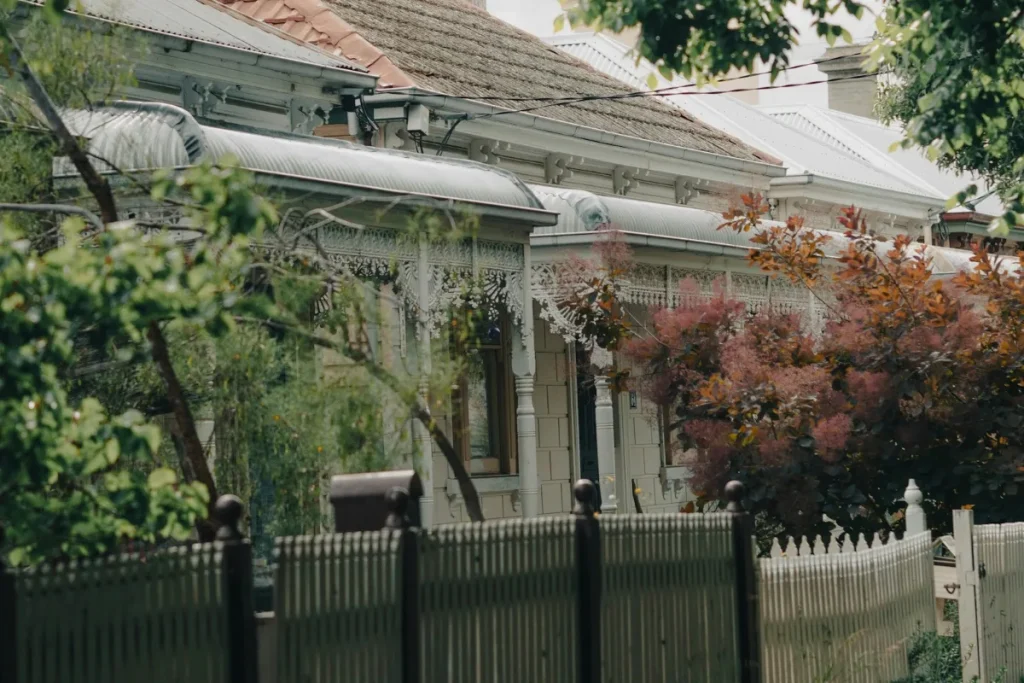
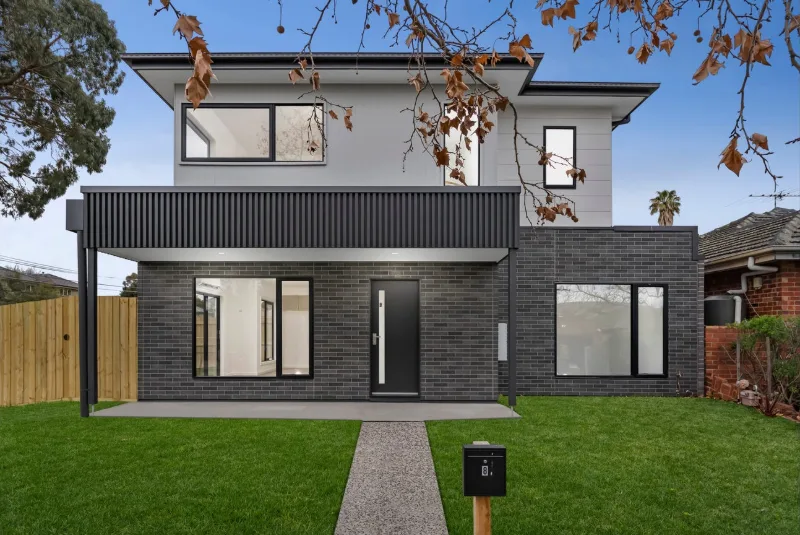
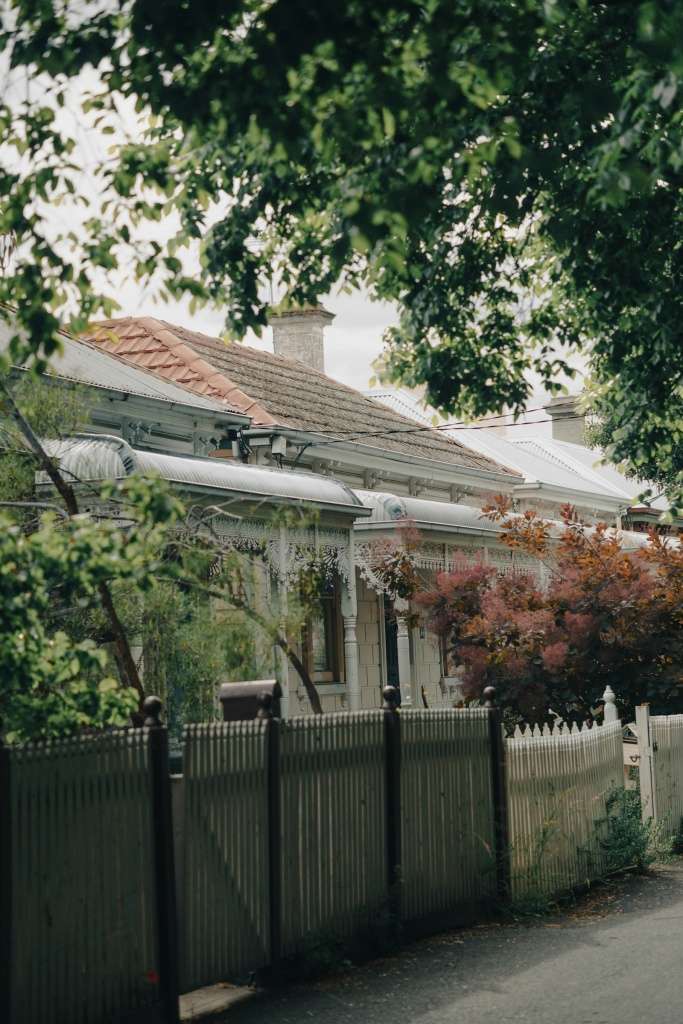
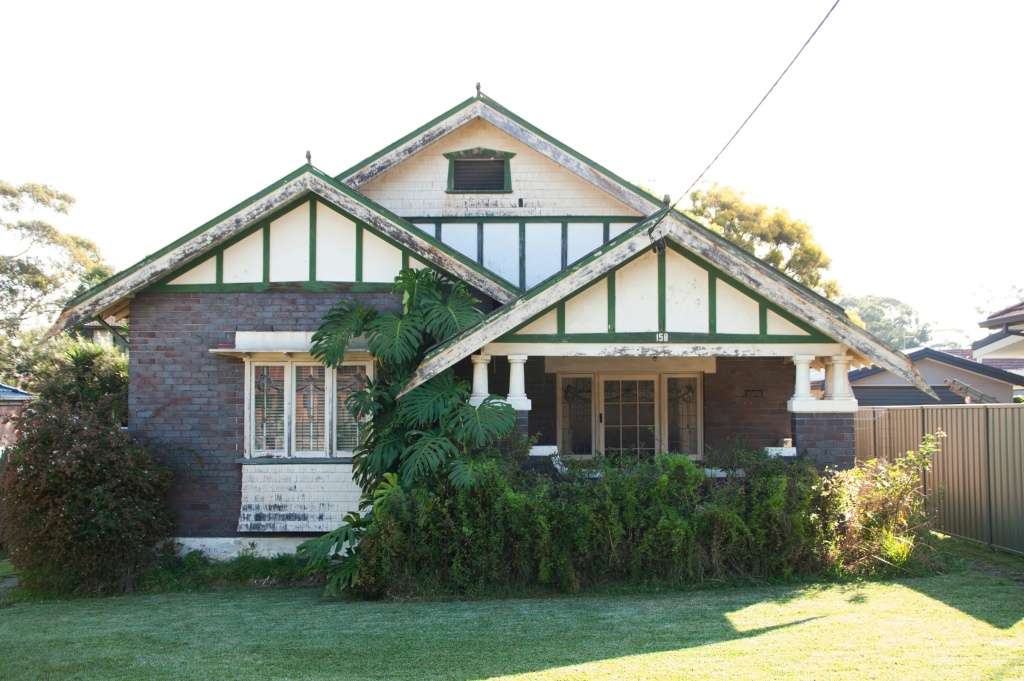
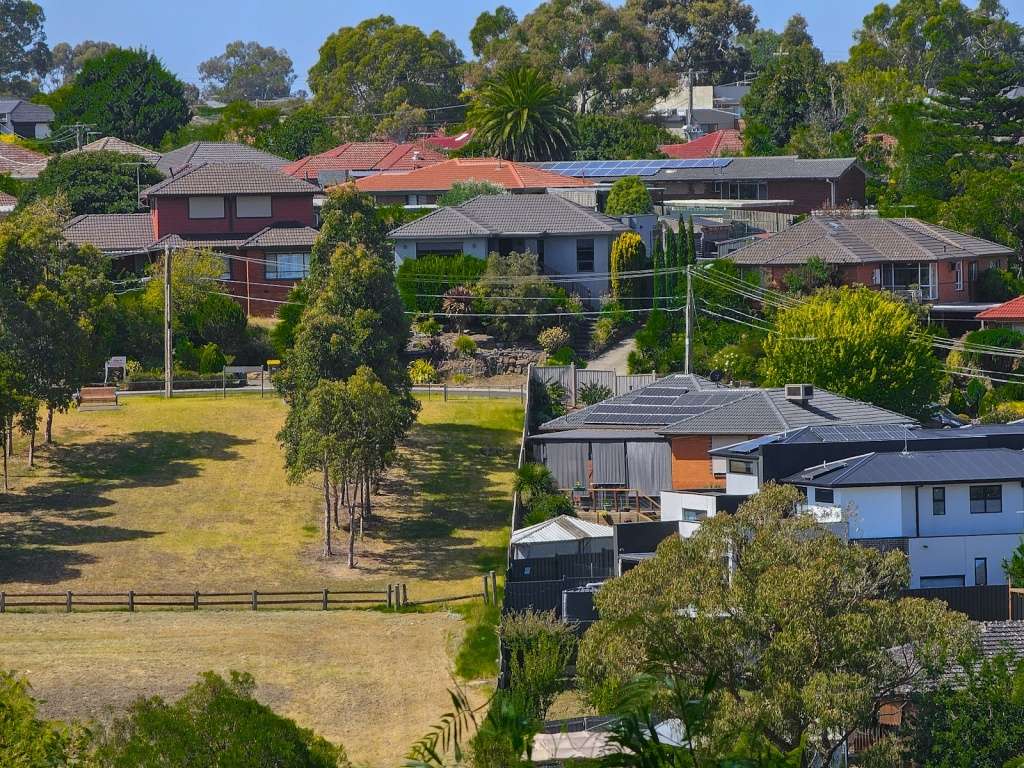
Automated estimates are least reliable exactly where Melbourne buyers spend the most: unique and period homes, heavily renovated properties, and tightly held streets with few recent sales. The more a home differs from the average, the more an average-based model struggles. A character home on a scarce street, or a knockdown next door to mansions, can be badly mis-estimated, high or low, because the algorithm has nothing quite like it to learn from.
How to use them sensibly
Treat an AI valuation as a starting sanity check, never a number to bid to. If the estimate is wildly different from what agents are quoting, that is a prompt to dig deeper, not proof either party is wrong. Before you make an offer, verify with genuine recent comparable sales and, ideally, an independent appraisal or a buyer’s agent who has actually inspected the home. The automated number gets you in the right postcode; real comparables and a physical assessment get you to the price.
Before you rely on an AI estimate, compare it with the medians in our suburb guides, for example Richmond, Brunswick, Camberwell and Brighton.
FAQs
Are online property valuations accurate?
A rough guide at best. They work from averages and recent sales, so they can be reasonable in uniform areas but well off for homes with unusual features, renovations or a scarce position. Treat the figure as a ballpark.
What is an automated valuation model?
An algorithm that estimates value from comparable sales and property data without inspecting the home. Most free online estimates are AVMs, and they usually carry a wide confidence range.
Should I make an offer based on an AI valuation?
No, not on its own. It is a sanity check, not a bidding number. Verify with recent comparable sales and an independent appraisal or a buyer’s agent who has inspected the property first.
How do I get an accurate property valuation?
Combine current comparable sales with a physical assessment of the actual home, its condition, renovations, aspect and position. An inspected appraisal beats any automated estimate.
General information for Melbourne buyers, current July 2026. Not a formal valuation; obtain independent advice before making decisions.
Keep reading
- Using ChatGPT to shortlist Melbourne suburbs: a buyer’s agent’s take
- How our Melbourne buyer’s agents help you buy well

About the author
Lou is Co-Founder and Lead Buyers Agent at LP Advisory. He has over 25 years in Melbourne real estate, including running his own agency, auctioneering, sales management and property development, before moving into buyer and vendor advocacy. He was a finalist for REIV Buyers Agent of the Year in 2024 and at the 2026 Australian Buyers Agent Awards.