



Help to Buy in Melbourne is easy to look up and hard to judge. Most guides explain the paperwork. Very few answer the question that actually decides the outcome. That question is simple. What can you buy under the price cap, and is that property worth owning a share of?
We have taken clients through this scheme. One of them saved her deposit by house and pet sitting, mostly minding cats. Her story ran in the Herald Sun and on realestate.com.au. After years of assuming she had missed her chance, she now owns her first home. So this is not theory for us.
Below, we set out how the scheme works right now. Then we get to the part that matters, which is what you should actually buy with it.
How Help to Buy works in Melbourne
Help to Buy is a federal shared equity scheme. Housing Australia runs it. It launched on 5 December 2025 and expanded on 1 July 2026.
The mechanics are simple enough. First, you put in a deposit as small as 2 per cent. Then the government contributes up to 30 per cent of the price for an established home, or up to 40 per cent for a new build. In return, it takes an equity share of that size. Finally, you borrow the rest. Because the loan is much smaller, the repayments are much smaller too.
Here are the current settings, as at August 2026.
- Income caps. From 1 July 2026, $103,000 for a single applicant and $165,000 for joint applicants and single parents. These rise with wages each year.
- Victorian price caps. $950,000 for Melbourne and Geelong, and $650,000 for the rest of the state. However, the price caps do not rise with wages. They move only when the federal government decides to move them.
- Places. 10,000 each financial year.
- Lenders. Commonwealth Bank, Bank Australia and Teachers Mutual Bank Limited, as at late July 2026. More lenders are expected to join. Also note that you apply through a lender, not to Housing Australia.
- Occupancy. It has to be your home. You cannot rent it out.
Take-up has been strong, and Victoria leads the country. Since launch, more than 7,200 applications have come through. Over 4,800 buyers have settled or found a home. Nearly 70 per cent of applicants are singles, including single parents.
That last figure tells you what the scheme is for. In short, it suits the buyer who can hold a property but cannot borrow enough to reach the market alone. You can check the current rules on the federal scheme page and the price cap table.
What the $950,000 cap actually buys
Here is the number that frames everything. Melbourne’s median house value was $971,000 in July 2026. The median unit was $617,000. Both figures come from the PropTrack Home Price Index.
So the cap sits just below the median house. That is not a small detail. In practice, it means the scheme will not put you in a typical Melbourne house. It certainly will not put you in a house on a blue-chip inner street.
What it will reach:
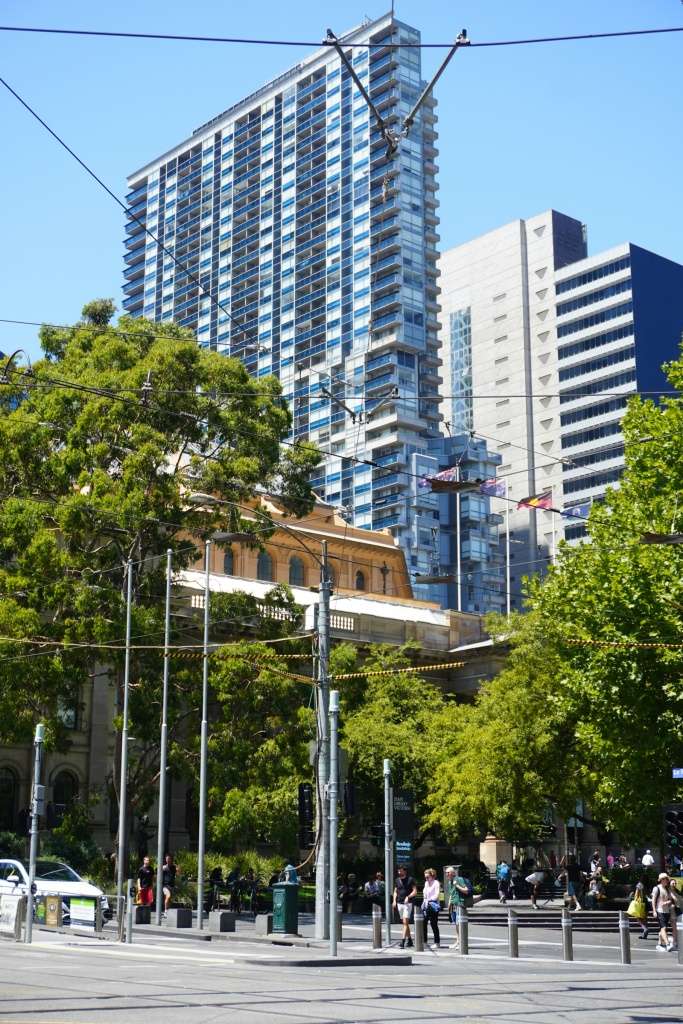
- Apartments and units in well-located inner suburbs. The cap goes furthest here, because the unit median sits well under half of it.
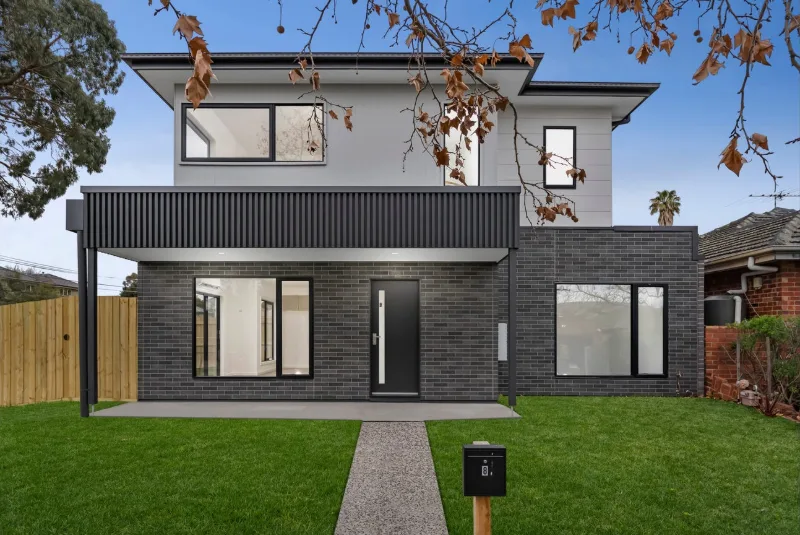
- Townhouses in the middle ring. Often the sweet spot. You get a land component, a private entrance and a house-like floor plan, but without the house price.
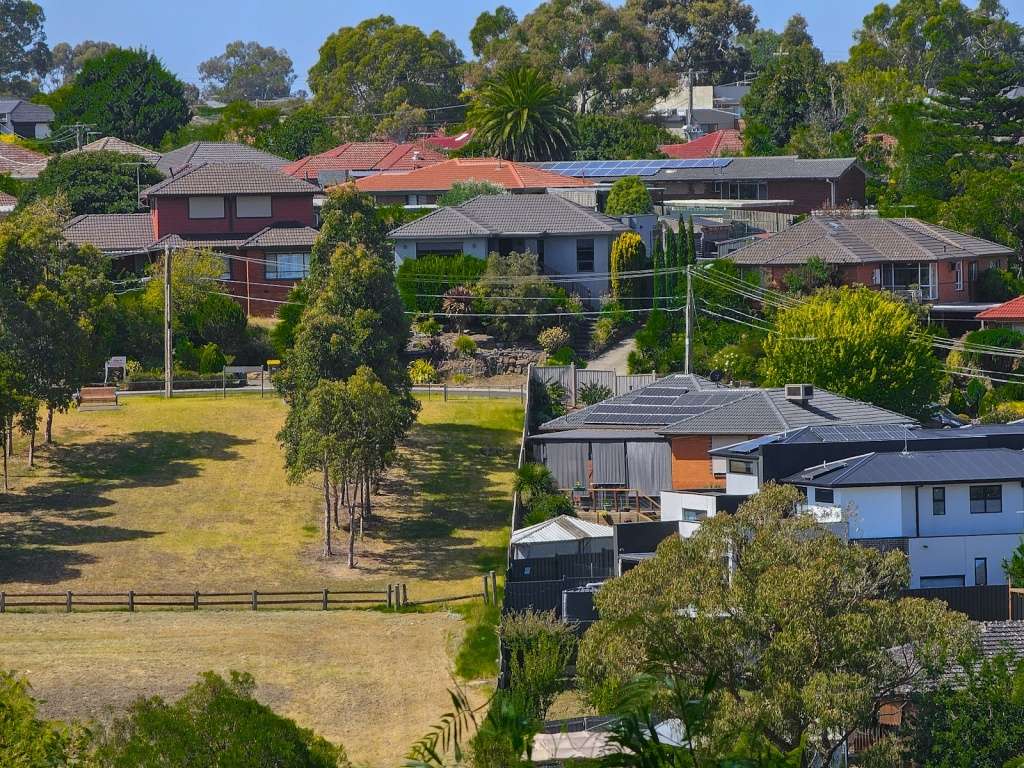
- Houses further out. Achievable, though the trade is commute, amenity and usually weaker long-term growth.
Under any price cap, the temptation is to spend right up to it. We would push back on that. A cap tells you nothing about value. For example, there are plenty of Melbourne homes priced at $940,000 that are not worth $940,000. Right now, with fewer quality listings around, that gap is wider than usual.
If you want a practical starting point on suburbs, read our guide to the best Melbourne suburbs for first home buyers under $850,000.
The trade you are making
Shared equity is not a grant. Instead, it is a stake.
Say you buy an established home at $900,000 with a 30 per cent government share. That share is worth $270,000 on day one. Later, you decide to buy them out, and by then the home is worth $1.1 million. Their 30 per cent is now $330,000. As a result, you hand back $60,000 more than they put in.
That is not a scandal. It is simply the deal, and it cuts both ways. If the property falls in value, the government wears its share of the fall alongside you. Still, you should go in clear-eyed. This scheme converts part of your future growth into the price of getting in early.
Whether that trade is a good one depends on the alternative. If the alternative is renting for another eight years while prices move, giving up a slice of the growth is usually the better outcome. On the other hand, if you could buy outright in two years, it is a much closer call.
Where buyers get it wrong
Treating the cap as a budget. The cap is a ceiling, not a target. So buy the right property, not the dearest one you are allowed.
Buying a compromised property because the entry is cheap. This is the big one. A smaller deposit lowers the barrier to a purchase. However, it does not lower the cost of a poor purchase. If anything, asset quality matters more here, because your exit is either a buy-out or a sale. Both depend on the property holding its value.
Meanwhile, the homes that fall hardest in Melbourne are the obvious ones. Main-road frontage, no natural light, oversupplied high-rise stock, poor floor plans and difficult titles all hurt resale. Those are exactly the properties that look affordable under a cap.
Underestimating the buy-out. Buying back the government’s share means refinancing at the valuation on the day, on your income at the time. Therefore strong growth helps your equity and hurts your buy-out cost. Model it before you buy, not after.
Forgetting stamp duty. Victoria’s first home buyer exemption runs to $600,000, with a concession to $750,000. So if you buy at $900,000, you pay full duty. Our Victorian first home buyer grants guide has the current thresholds.
Missing the income cap rule. If your income sits above the cap for two years running, you may have to start repaying the government’s contribution. So if a significant pay rise is coming, factor it in.
Help to Buy or the First Home Guarantee?
For many Melbourne buyers, this is the real decision.
The First Home Guarantee needs a 5 per cent deposit and charges no lenders mortgage insurance. Since 1 October 2025, it has no income caps at all. The Victorian price caps are the same $950,000 and $650,000. Above all, you own 100 per cent of the home.
Help to Buy gets you in on 2 per cent and cuts the loan sharply. But the government owns up to 40 per cent of the property.
The rough rule is this. If you can service a full loan, the First Home Guarantee usually leaves you better off, because you keep all the growth. On the other hand, if servicing is what stands between you and ownership, shared equity is what makes the purchase possible at all. For single buyers, that is often the case. Our deposit guide compares both paths in more detail.
Our view
Help to Buy in Melbourne is a useful scheme for the buyers it was built for, and the Victorian take-up suggests plenty of people are in that group. For many single buyers, it is the difference between owning and renting.
But it does nothing to help you choose well. And choosing well is where the money is made or lost. A $950,000 cap in a market with a $971,000 median house puts you in the part of the market where good and poor assets are hardest to tell apart. So getting the finance right gets you to the auction. It does not tell you whether you should be there.
If you are weighing this up, and more to the point working out what you should buy with it, that is the conversation we have with first home buyers every week.
This article is general information, not financial, tax or credit advice. Scheme rules and caps change. Please confirm the current settings with a participating lender and Housing Australia, and seek advice for your own circumstances.
To see what the cap buys in a specific area, our guides to Reservoir, Preston, Coburg and Footscray show current medians.
Frequently asked questions
What is the Help to Buy price cap in Melbourne?
The cap is $950,000 for Melbourne and Geelong, and $650,000 for the rest of Victoria. Unlike the income caps, the price caps do not rise with wages each year. They change only through a separate federal government decision.
How much deposit do you need for Help to Buy?
As little as 2 per cent of the purchase price. The federal government then contributes up to 30 per cent for an established home, or up to 40 per cent for a new build. You borrow the balance, which is what keeps the repayments manageable.
What are the Help to Buy income limits for 2026-27?
From 1 July 2026, the limits are $103,000 for a single applicant and $165,000 for joint applicants and single parents. However, if your income sits above the cap for two years running, you may have to repay part or all of the government’s contribution.
Do you have to pay the government back under Help to Buy?
Yes. The government holds an equity share until you buy it back or sell. You repay its percentage of the property’s value at that time, not the dollar figure it first contributed. As a result, it shares in any gain or loss.
Is Help to Buy better than the First Home Guarantee?
It depends on whether you can service a full loan. The First Home Guarantee needs a 5 per cent deposit, has no income caps, and leaves you owning 100 per cent of the home. Help to Buy needs only 2 per cent and cuts your repayments, but the government owns up to 40 per cent. So if servicing is the constraint, Help to Buy makes the purchase possible. If it is not, the First Home Guarantee usually leaves you better off.
Can you rent out a home bought under Help to Buy?
No. It has to be your principal place of residence, so you cannot use it as an investment property.

About the author
Lou is Co-Founder and Lead Buyers Agent at LP Advisory. He has over 25 years in Melbourne real estate, including running his own agency, auctioneering, sales management and property development, before moving into buyer and vendor advocacy. He was a finalist for REIV Buyers Agent of the Year in 2024 and at the 2026 Australian Buyers Agent Awards.