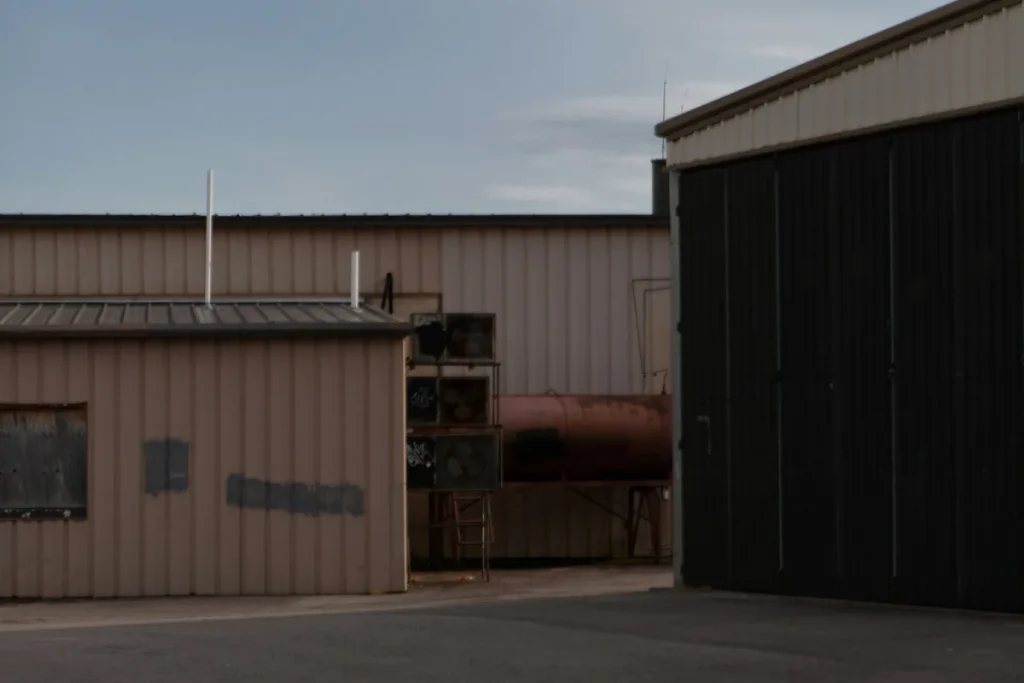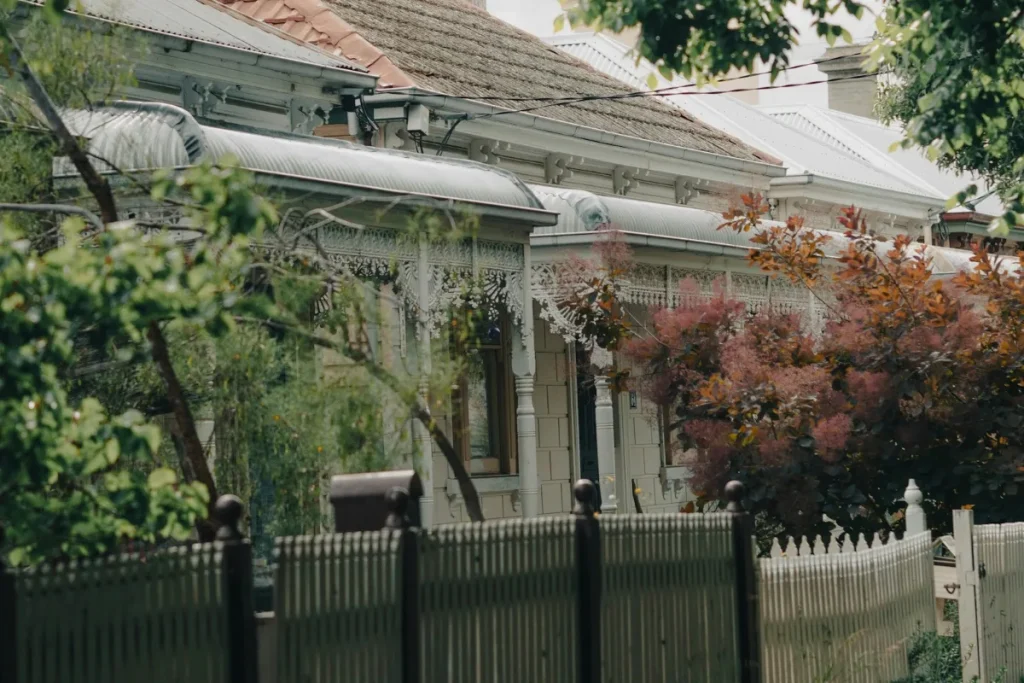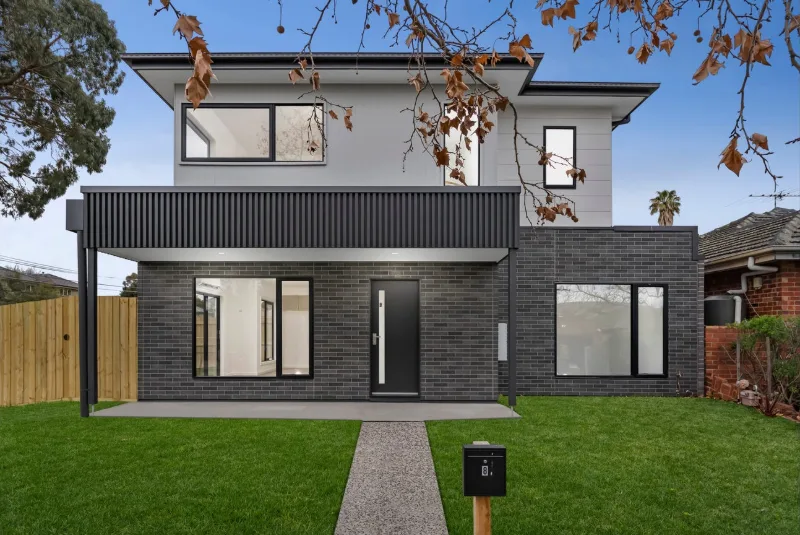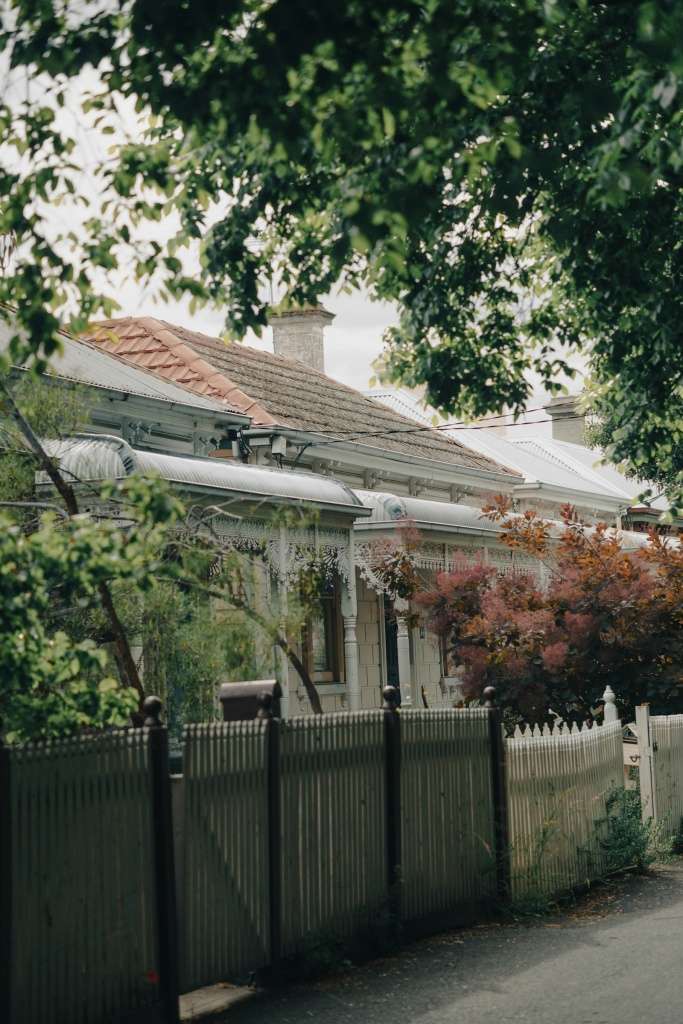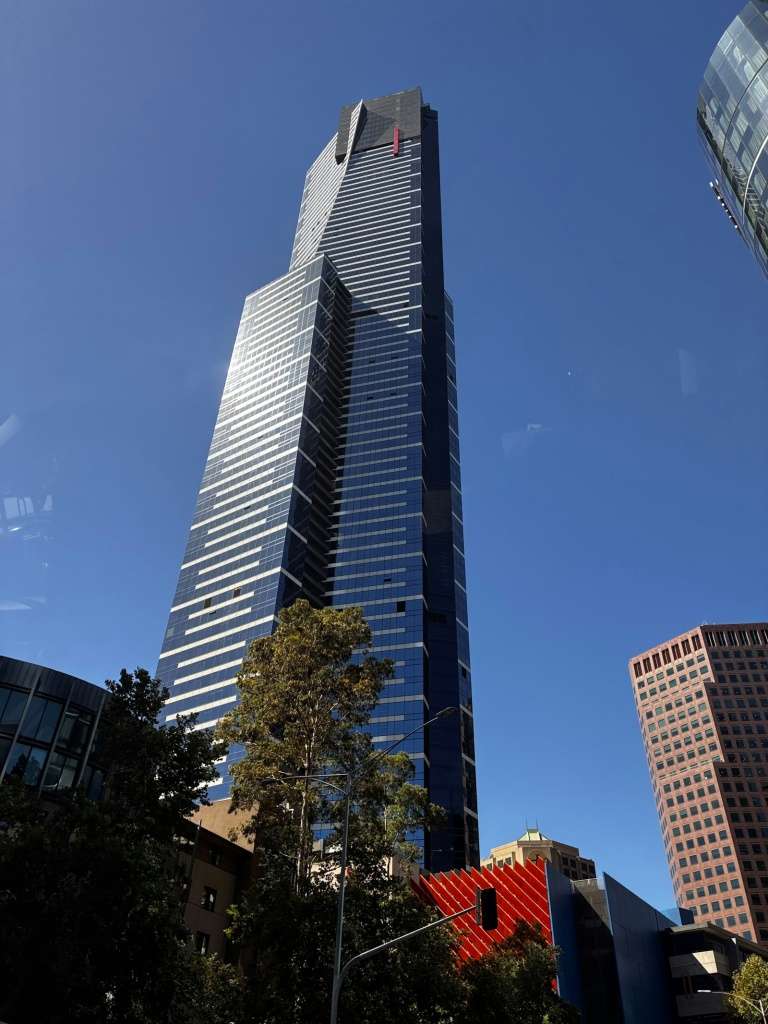




In inner Melbourne, choosing between a house, a townhouse and an apartment is really a trade-off between land, lifestyle and budget. Houses hold the most land and tend to lead on long-term capital growth, but they cost the most. Townhouses sit in the middle on both space and price. Apartments are the most affordable entry and the lowest maintenance, but they hold the least land and can be the weakest for growth, especially in oversupplied pockets. Here is how to weigh the three as an owner-occupier.
The quick answer: it comes down to land, lifestyle and budget
Almost every difference between the three flows from one thing: how much land you are buying. Land is the part of a property that appreciates, while buildings depreciate. A house gives you the most land, an apartment the least, and a townhouse sits between. That single fact shapes price, growth, maintenance and lifestyle, so the right choice is the one that balances what you can afford against how long you plan to stay and how you want to live.
Houses: most land, strongest growth, highest cost
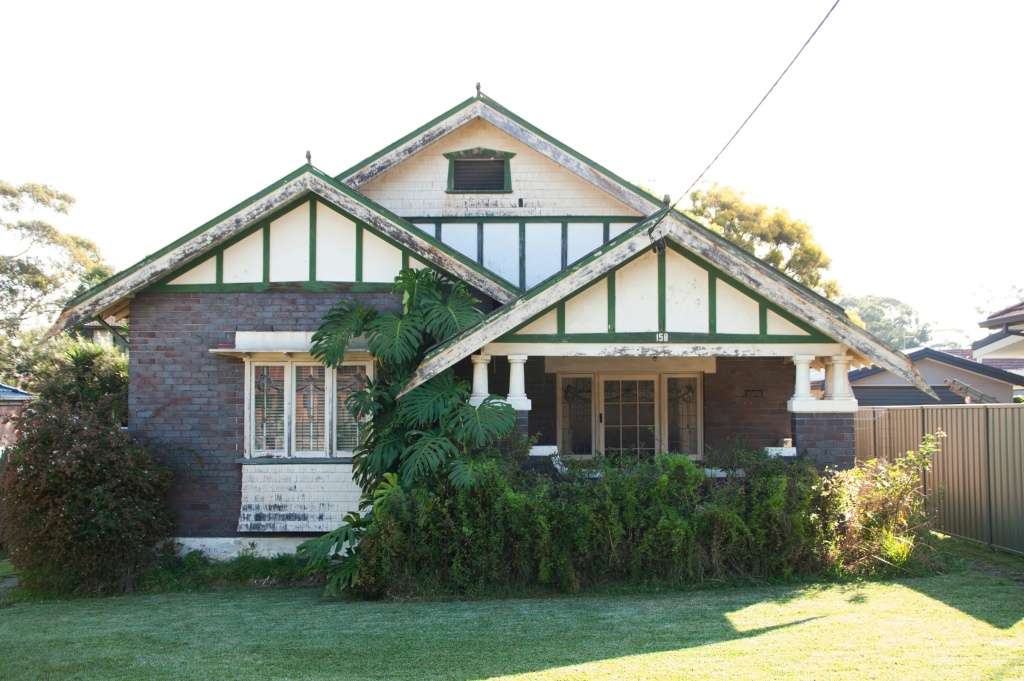
A freestanding house gives you the most land, the most control and, over time, usually the strongest capital growth, which is why houses command the highest prices in the inner ring. You also get space, a garden and no owners corporation. The trade-off is cost and upkeep. For owner-occupiers planning to stay for the long haul and able to stretch the budget, a house is generally the strongest long-term hold.
Townhouses: the middle ground
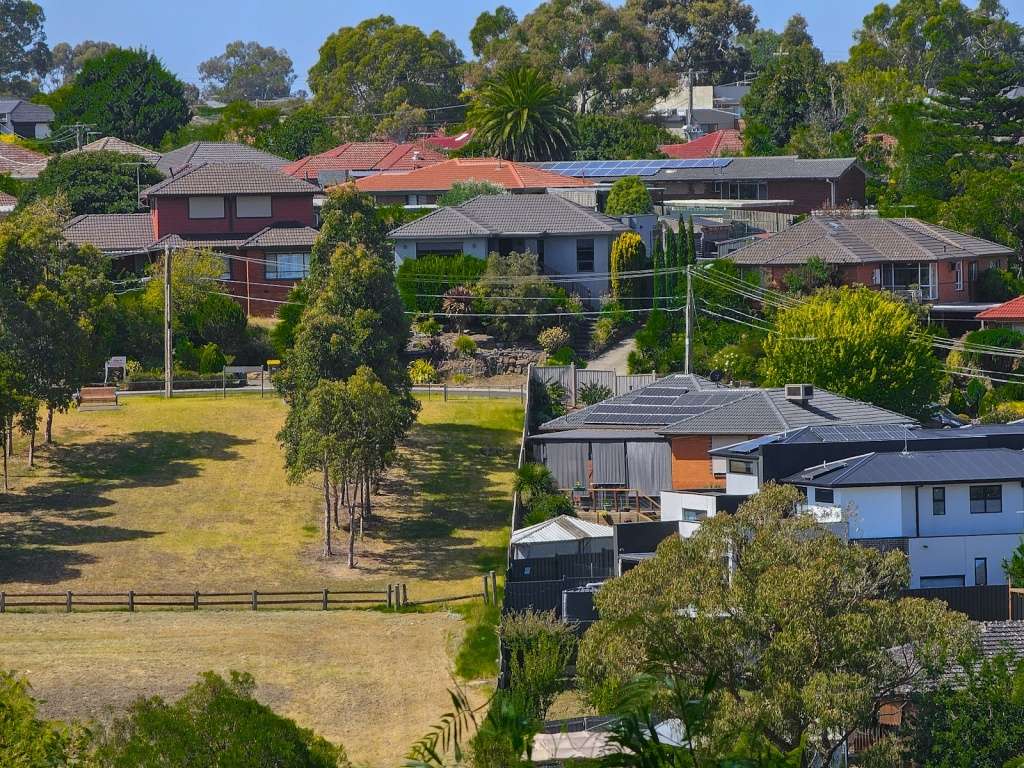
Townhouses are the pragmatic compromise. You get your own small footprint of land, often your own street entry, and multi-level living, at a price below a comparable house. Maintenance is lower than a house and owners corporation fees are usually modest. For buyers who want more space and land value than an apartment but cannot reach a house in their target suburb, a well-built townhouse is often the sweet spot.
Apartments: affordable entry, low maintenance, choose scarcity
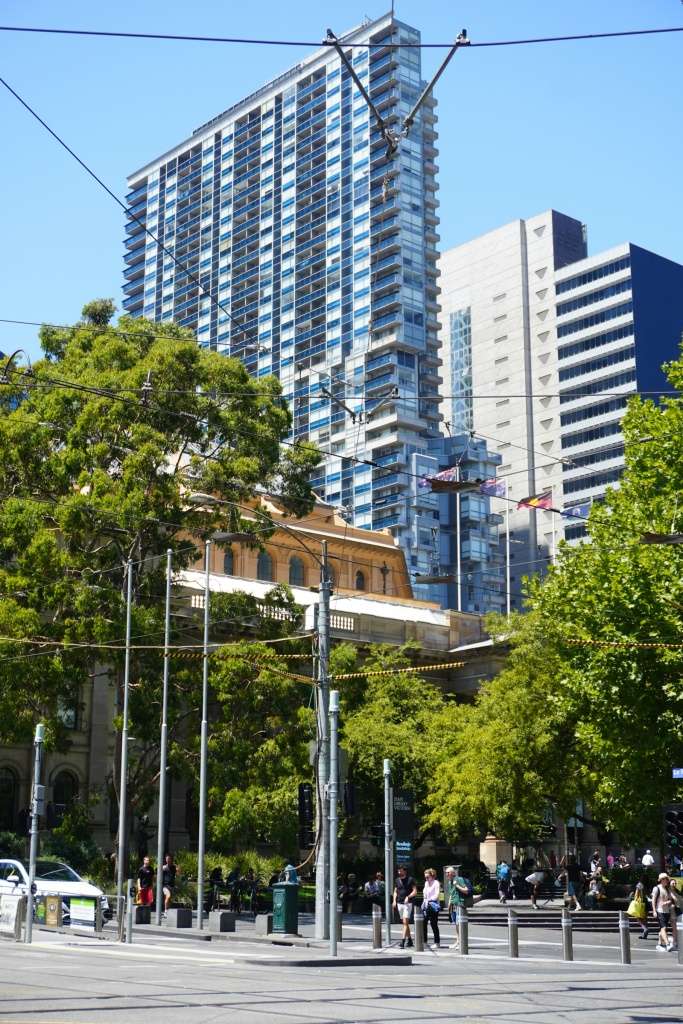
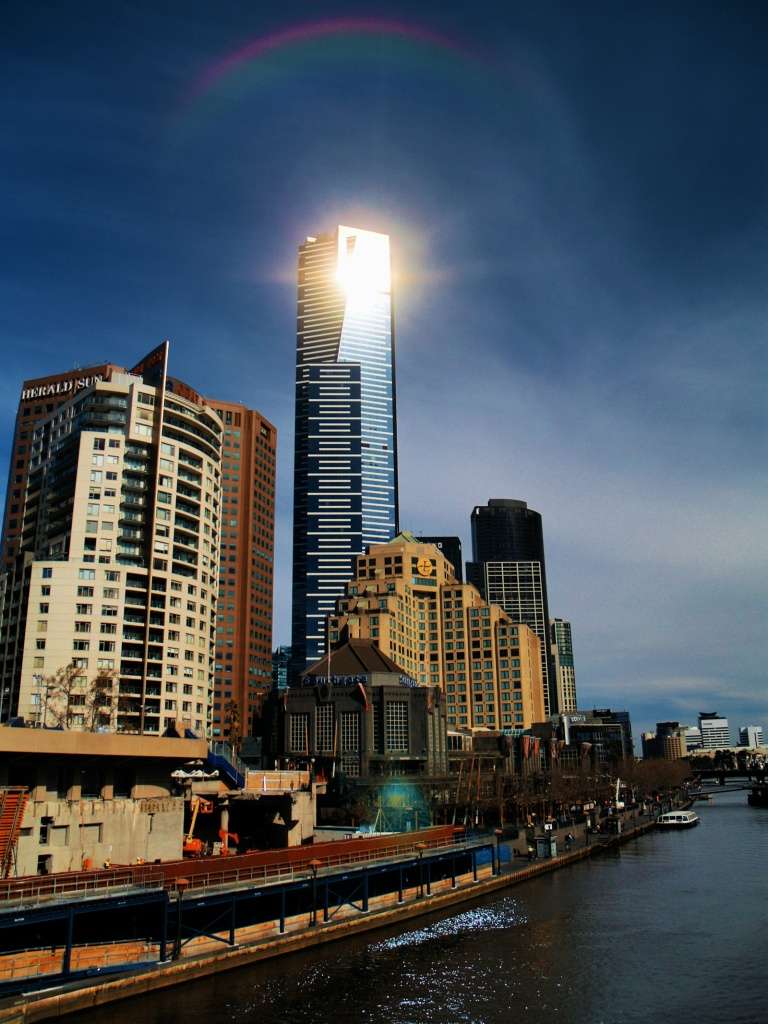
Apartments are the most accessible way into a good inner suburb and the easiest to maintain, which makes them a natural fit for first home buyers, downsizers and lock-and-leave lifestyles. The catch is growth. Generic apartments in high-supply towers compete with hundreds of near-identical properties, which caps capital growth and resale. If you buy an apartment, buy scarcity: a boutique block, a period conversion, a larger or well-positioned floorplan, something that will still stand out when you sell. Factor in owners corporation fees too, as they vary widely and eat into holding costs.
How to choose for you
Work backwards from two questions: how long will you stay, and what can you comfortably afford. If you are planning a decade in the one place and can reach it, land-rich options like a house or townhouse reward you. If budget or lifestyle points to an apartment, prioritise scarcity and floorplan over a shiny building, because that is what protects your resale. Match the property type to your horizon and your budget, not just to the nicest inspection you walked through on the weekend.
To compare house and unit medians in a particular suburb, see our guides to Richmond, South Yarra, St Kilda and Brunswick.
FAQs
Do houses grow in value more than apartments in Melbourne?
Historically yes, largely because houses come with land and land is what appreciates. Apartments can still perform, but generic high-density stock in oversupplied areas tends to lag houses on long-term growth.
Are apartments a bad buy in inner Melbourne?
Not inherently. The risk is generic, high-supply towers where many similar properties compete. Scarcer stock, like boutique blocks, period conversions or larger floorplans, holds value far better than cookie-cutter apartments.
What is the difference between a townhouse and an apartment?
A townhouse is usually multi-level with its own small footprint of land and often its own street entry. An apartment is a single-level unit in a larger building. Townhouses generally carry more land value and lower owners corporation fees.
Which is best for a first home buyer in inner Melbourne?
It depends on budget and how long you will stay. Apartments and townhouses are the realistic entry points, with townhouses offering more land and growth, while a house is the long-term goal if you can stretch to it.
General information for Melbourne buyers, current July 2026.
Keep reading
- Best inner Melbourne suburbs for first home buyers under $850k
- How much deposit do you really need as a Melbourne first home buyer?

About the author
Lou is Co-Founder and Lead Buyers Agent at LP Advisory. He has over 25 years in Melbourne real estate, including running his own agency, auctioneering, sales management and property development, before moving into buyer and vendor advocacy. He was a finalist for REIV Buyers Agent of the Year in 2024 and at the 2026 Australian Buyers Agent Awards.