



In short
Melbourne investors who want new-build tax benefits do not have to buy in outer estates. Boutique townhouses under $1m in established middle-ring suburbs may still qualify as new dwellings, with better infrastructure, rental demand and owner-occupier appeal than large apartment blocks.
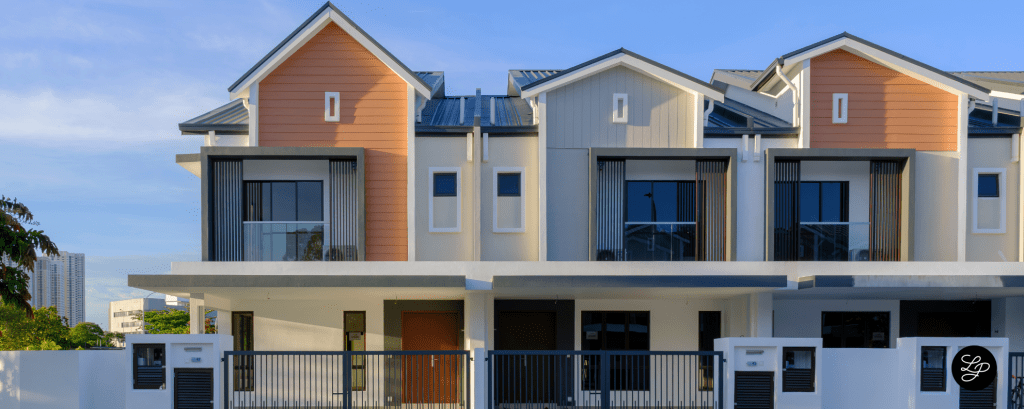
Where Can You Still Buy a Negatively Geared Investment Property in Melbourne?
Why more Melbourne investors are turning to boutique townhouses under $1m
For many Melbourne investors, the conversation around negative gearing has changed dramatically over the past 12 months.
A growing number of buyers now assume that if they want to purchase a brand-new investment property and still access the associated tax benefits, they’ll need to head far from the CBD into large outer suburban estates.
But that’s not necessarily true.
Across Melbourne’s north and west, we’re seeing a growing number of:
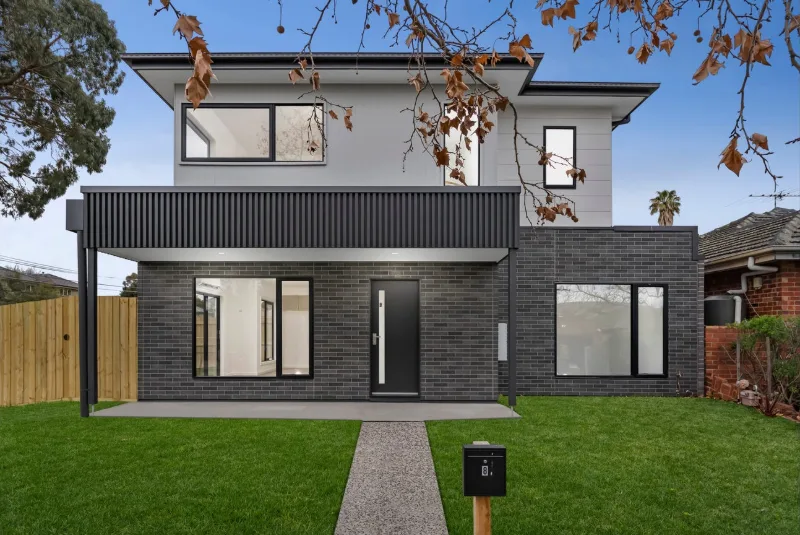
- Boutique townhouse developments
- Dual occupancy projects
- Side-by-side homes
- Small-scale infill developments
Importantly, many of these properties are still considered brand-new dwellings, meaning they may still qualify for the relevant new-build investment benefits while also being located in established suburbs with stronger infrastructure, rental demand and long-term owner-occupier appeal.
For more Melbourne investment insights, visit our Investment Property Buyers Agent Services page.
Why Investors Are Reassessing Apartments
For years, apartments were the default investment option in inner Melbourne.
Lower entry prices. Strong rental demand. Minimal maintenance.
But over time, many investors have become more cautious around large-scale apartment stock due to:
- Higher future supply
- Lower land component
- Rising owners corporation fees
- Limited scarcity
- Slower long-term capital growth
That doesn’t mean every apartment is a poor investment. Boutique apartments in tightly held suburbs can still perform well.
But increasingly, investors are looking for a middle ground between:
- Expensive detached homes
and - High-density apartments
That’s where townhouses are sitting.
Why Townhouses Are Becoming the Sweet Spot
A well-located townhouse can offer:
- Better land component than apartments
- Lower maintenance than detached homes
- Strong tenant appeal
- More owner-occupier demand at resale
- Better long-term scarcity
Importantly, many townhouse developments are now occurring in established suburbs where detached homes are becoming financially out of reach for many buyers.
That creates a compelling long-term growth story.
For more on strategic buying, read:
How a Buyers Advocate in Melbourne Saves You Money
Best Melbourne Suburbs for Negatively Geared Investment Properties Under $1m
Not every investor is targeting a $1.5m townhouse in Brighton East or Northcote.
For many buyers, the sweet spot sits between $750,000 and $1m, where there is still access to:
- Brand-new townhouses
- Reasonable land content
- Strong rental demand
- Established infrastructure
- Long-term owner-occupier appeal
These are some of the suburbs where LP Advisory is currently seeing stronger townhouse and dual occupancy activity.
| Suburb | Typical New Townhouse Price | Estimated Weekly Rent | Approx. Gross Yield |
|---|---|---|---|
| Reservoir | $780k – $980k | $650 – $800 | 3.8% – 4.5% |
| Glenroy | $780k – $980k | $650 – $820 | 3.9% – 4.5% |
| Pascoe Vale | $850k – $1m | $700 – $850 | 3.8% – 4.4% |
| Coburg North | $850k – $1m | $700 – $850 | 3.7% – 4.3% |
| Maidstone | $750k – $950k | $650 – $780 | 4.0% – 4.6% |
| Sunshine North | $750k – $950k | $650 – $800 | 4.0% – 4.7% |
| Fawkner | $700k – $900k | $620 – $760 | 4.0% – 4.8% |
| Thomastown | $700k – $900k | $620 – $760 | 4.1% – 4.9% |
| Heidelberg West | $850k – $1m | $700 – $850 | 3.7% – 4.3% |
| Altona North | $900k – $1m | $720 – $880 | 3.8% – 4.3% |
Figures are indicative only and should be independently verified.
For current vacancy and market data:
House vs Townhouse vs Apartment Investment Comparison
| Property Type | Capital Growth Potential | Rental Yield | Supply Risk | Land Component |
|---|---|---|---|---|
| Detached House | Very Strong | Lower | Low | High |
| Townhouse / Dual Occupancy | Strong | Moderate to Strong | Moderate-Low | Moderate |
| Large Apartment Complex | Lower to Moderate | Stronger | Higher | Low |
This is why we’re increasingly seeing investors gravitate toward townhouses.
They sit in the middle of the market:
- Better land value than apartments
- Lower holding costs than detached homes
- Strong tenant appeal
- More accessible entry price points
- Broader resale demand
What Actually Matters Long-Term
One of the biggest mistakes investors make is buying purely for tax benefits.
A poorly located property with weak fundamentals is still a poor investment, even if it generates tax deductions.
At LP Advisory, we assess investment properties through three key lenses:
- Performance
- Potential
- Protection
That means analysing:
- Location fundamentals
- Land component
- Rental demand
- Long-term owner-occupier appeal
- Future resale liquidity
- Oversupply risk
The tax benefits should complement the investment, not justify it.
For more information regarding rental property deductions:
A Note From Alana Prideaux
What we’re seeing more often now is investors who initially considered house and land packages in Melbourne’s outer growth corridors, then started questioning whether that was the right long-term move.
For many, the appeal was obvious at first. A new build, depreciation benefits and a lower entry price. But once they looked more closely at the supply risk, distance from the CBD and long-term capital growth fundamentals, they began looking for alternatives closer in.
That is where boutique townhouses and dual occupancy properties are becoming more relevant. They can still offer the benefits of a newer dwelling, but with stronger access to established infrastructure, deeper rental demand and better long-term owner-occupier appeal.
The key is being selective. Not every townhouse project stacks up. The stronger opportunities are generally smaller-scale developments in streets where future owner-occupiers would also want to live.
Final Thoughts
Melbourne’s investment landscape is evolving, but the opportunity hasn’t disappeared.
For investors willing to look beyond the obvious choices, boutique townhouse and dual occupancy developments in established suburbs still represent one of the more balanced opportunities currently available.
The properties exist.
The suburbs are strong.
The fundamentals still matter.
The challenge is simply knowing which projects genuinely stack up, and which ones to avoid.
If you’re reassessing your investment strategy in 2026, the question isn’t whether Melbourne is still viable for investment.
It’s whether you’re buying the right type of property in the right suburb for the long term.
Thinking About Buying an Investment Property?
LP Advisory works with investors across Melbourne to identify high-quality townhouse and dual occupancy opportunities with strong long-term fundamentals.
Explore our:
What are the new negative gearing rules in Australia?
Under the proposed 2026 federal budget reforms, negative gearing for established residential properties purchased after 7:30pm on 12 May 2026 will effectively be abolished from 1 July 2027. After this date, rental losses on affected established properties will no longer be able to be offset against salary or other personal income.
Instead, those losses would only be able to offset future residential rental income or capital gains.
However, newly built investment properties would remain eligible for negative gearing under the proposed rules.
Are new-build townhouses still eligible for negative gearing?
Yes, under the proposed reforms, eligible new builds would still retain access to negative gearing benefits.
This includes many:
- Boutique townhouse developments
- Dual occupancies
- Off-the-plan apartments
- Newly constructed dwellings that add to housing supply
Importantly, not every “new-looking” property qualifies. Eligibility depends on whether the property genuinely adds to housing supply under the proposed rules.
Are existing investment properties grandfathered?
Yes.
Properties already owned, or under contract before 7:30pm on 12 May 2026, are proposed to be grandfathered under the existing rules.
That means current owners could continue accessing negative gearing benefits on those properties after 1 July 2027.
Why are investors now looking at townhouses instead of house and land packages?
Many investors are beginning to reassess outer suburban house and land packages due to:
- Higher future supply risk
- Distance from established infrastructure
- Longer-term capital growth concerns
- Construction delays
- Reduced scarcity
Instead, some buyers are now targeting boutique townhouse and dual occupancy projects in established middle-ring suburbs closer to the CBD.
These properties may still qualify as new builds while offering:
- Better infrastructure
- Stronger tenant demand
- Greater owner-occupier appeal
- More established growth fundamentals
What Melbourne suburbs still have townhouse opportunities under $1m?
Suburbs including:
- Reservoir
- Glenroy
- Pascoe Vale
- Coburg North
- Maidstone
- Sunshine North
- Fawkner
- Heidelberg West
continue to offer townhouse and dual occupancy opportunities under $1m in some pockets.
These areas are attracting investors seeking:
- New-build eligibility
- Established infrastructure
- Rental demand
- Better long-term scarcity compared to fringe estates
Are townhouses a better investment than apartments?
It depends on the specific property, but many investors are increasingly favouring townhouses because they generally offer:
- More land component
- Lower oversupply risk
- Stronger owner-occupier demand
- Better long-term growth potential
Large-scale apartment developments can still face supply and resale challenges in some Melbourne markets.
What should investors look for in a townhouse development?
Some of the most important considerations include:
- Land component
- Development scale
- Street quality
- Transport access
- Future oversupply risk
- Owner-occupier appeal
- Developer reputation
- Long-term resale demand
Not every townhouse project stacks up equally. Smaller-scale boutique developments in established suburbs are often viewed more favourably by long-term investors.

About the author
Lou is Co-Founder and Lead Buyers Agent at LP Advisory. He has over 25 years in Melbourne real estate, including running his own agency, auctioneering, sales management and property development, before moving into buyer and vendor advocacy. He was a finalist for REIV Buyers Agent of the Year in 2024 and at the 2026 Australian Buyers Agent Awards.