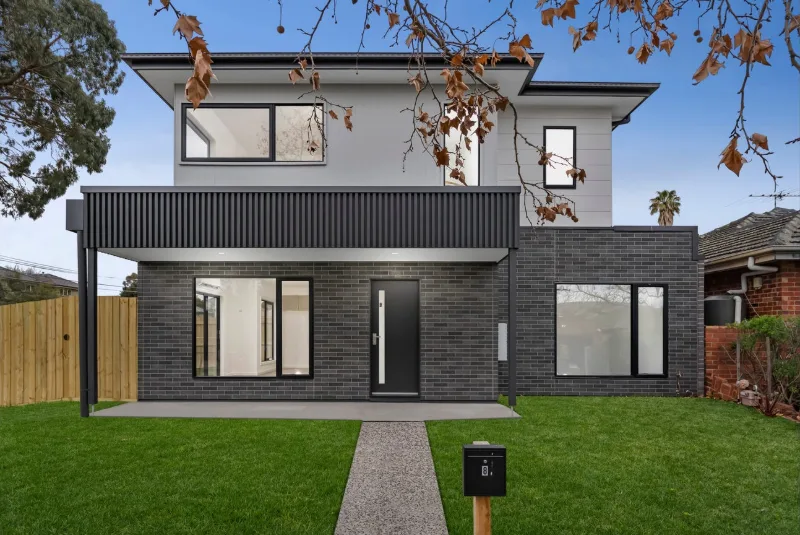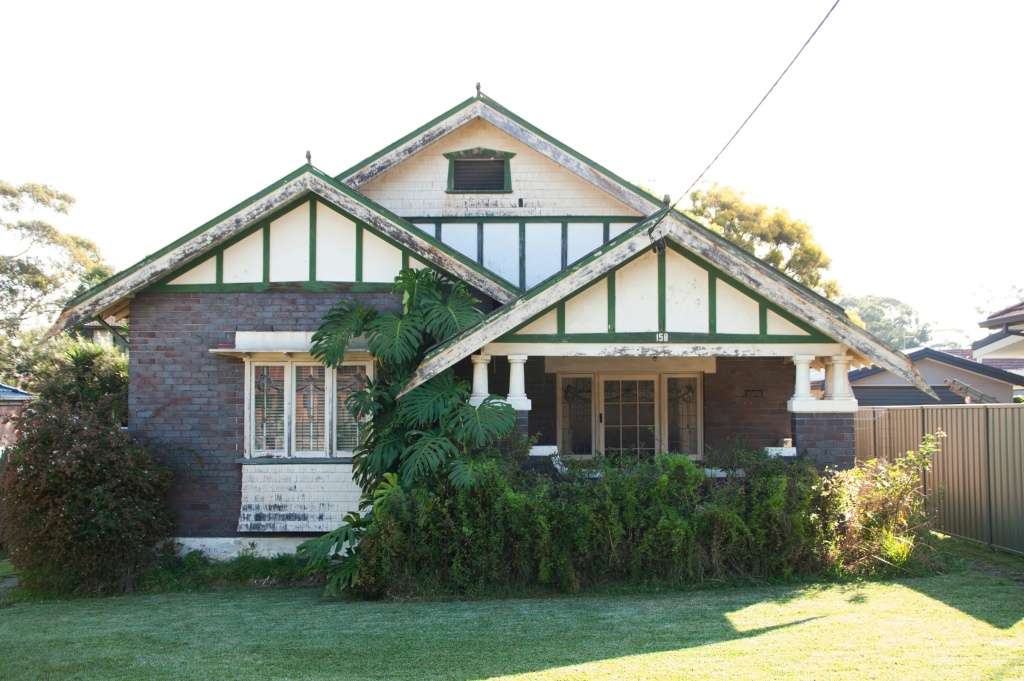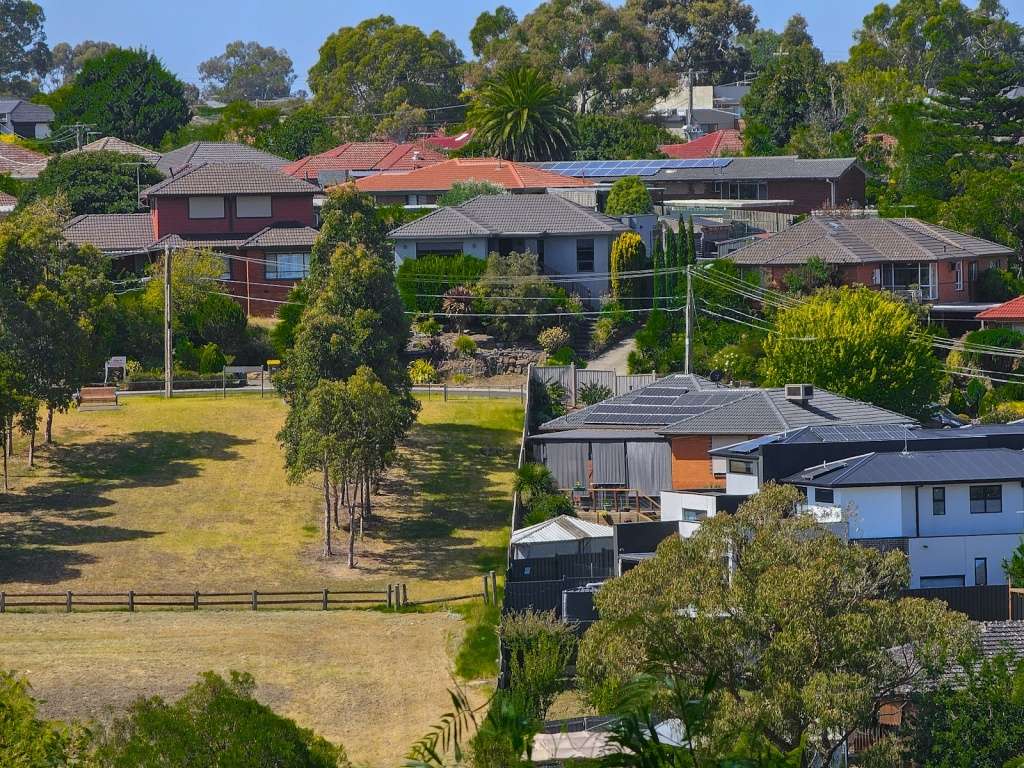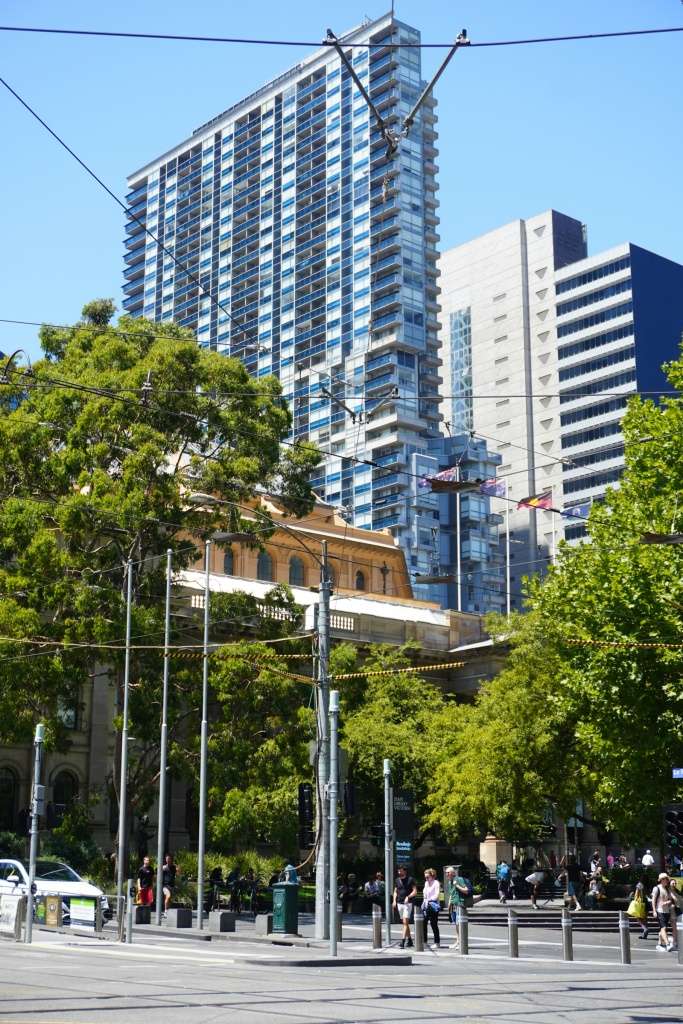




A buyer’s agent runs the same process whether you are buying a home to live in or a property to invest in, but what they optimise for is completely different. For an owner-occupier, the whole job is built around how you will actually live and how the home holds its value. For an investor, it is built around yield, capital growth, tenant demand and cash flow. That single difference changes the brief, the shortlist, the price they will pay and the definition of a good buy. Here is how the two diverge, and why it pays to use an advocate who works your side of the market.
Same process, different objective
Both an owner-occupier and an investor advocate will set a brief, search including off-market, shortlist, appraise value, run due diligence and negotiate or bid. The steps look identical on paper. What changes is the goal each step is serving. One is trying to secure the right place for you to live for years. The other is trying to build the strongest possible return. Once you see that, the differences fall into place.
Buying to live: the owner-occupier lens
When you are buying a home, the criteria are personal and long-term. School zones, commute, orientation and light, land size, street feel, floorplan for how your family actually lives, and how the property will hold up for resale down the track. There is also an emotional dimension that is entirely valid: this is where you will live, so fit matters, not just fundamentals. A good owner-occupier advocate lets you value that fit while still holding a disciplined limit, so you can pay up for the right home without paying too much.
Buying to earn: the investor lens
When you are buying an investment, the home you would personally love is irrelevant. The questions are about rental yield, capital growth drivers, tenant demand, vacancy, depreciation and cash flow. The best investment buying is deliberately unemotional, with a hard walk-away number and a willingness to pass on a hundred properties to get the right one on the numbers. A good investment advocate protects you from buying with your heart when you should be buying with a spreadsheet.
Where the two approaches diverge most
The clearest split shows up in three places. The shortlist: an owner-occupier list is shaped by lifestyle fit, an investor list by return metrics, and the same suburb can be a yes for one and a no for the other. The value ceiling: an owner-occupier can justify paying a premium for a home that suits them for a decade, while an investor should almost never chase a property past the numbers. And the definition of a good buy: for you it is the right home secured on fair terms, for an investor it is the strongest risk-adjusted return. Same skill set, opposite scorecards.
Why it matters who you choose
Because the scorecards differ, so do the relationships and instincts that serve you best. An advocate who mostly buys owner-occupier homes in your target areas knows the streets, the school catchments and the selling agents who handle family stock. An advocate who mostly buys investments knows yield pockets and growth corridors. Plenty of buyer’s agents can do both, but if you are buying a home to live in, you want someone whose day-to-day is exactly that. Match the advocate to your goal, not just to a brand.
We buy for both across inner Melbourne, in suburbs including Hawthorn, Camberwell, Brunswick and Footscray.
FAQs
What is the difference between an owner-occupier and an investor buyer’s agent?
The process is the same but the objective is not. An owner-occupier advocate optimises for how you will live and long-term resale, an investor advocate for yield, growth, tenant demand and cash flow. That changes the brief, the shortlist and the price they will pay.
Can one buyer’s agent do both?
Many can, but the strongest results usually come from an advocate who mostly works your side of the market, because owner-occupier and investment buying reward different knowledge, relationships and instincts.
Should an owner-occupier use a different approach to an investor?
Yes. An owner-occupier should weigh lifestyle, schools, commute and how a home lives, and can pay for the right one within a disciplined limit. An investor should stay unemotional and let yield, growth and cash flow drive every call.
Do owner-occupiers and investors pay different buyer’s agent fees?
Fee structures are broadly similar, usually a percentage or a fixed fee, rather than set by whether you are buying to live or to invest. The difference is in strategy, not price.
General information for Melbourne buyers, current July 2026.
Keep reading
- What a buyer’s agent actually does for an owner-occupier
- Buyer’s agent fees in Melbourne: what you actually pay

About the author
Lou is Co-Founder and Lead Buyers Agent at LP Advisory. He has over 25 years in Melbourne real estate, including running his own agency, auctioneering, sales management and property development, before moving into buyer and vendor advocacy. He was a finalist for REIV Buyers Agent of the Year in 2024 and at the 2026 Australian Buyers Agent Awards.